 01
Album · Holding
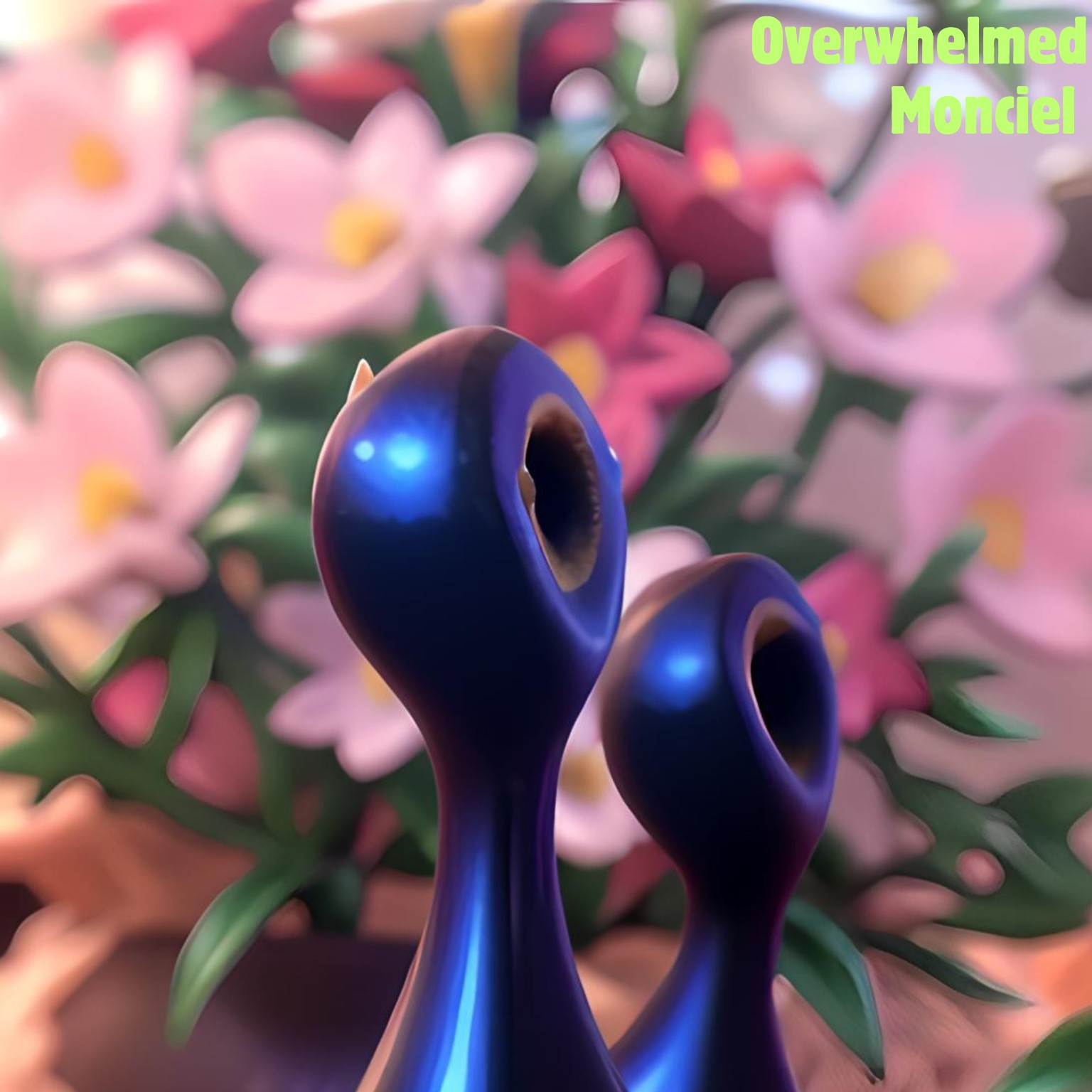
Overwhelmed
The first room. Learning how much could be carried before it was ever named.

Independent artist · Guam
Music for the thoughts we carry quietly—where Mon is the noise, Ciel is the silence, and neither has to disappear.
Enter the Architecture
SCROLL TO DESCEND
Not every sound begins as music.
Sometimes it begins as survival.

Latest album · Out now
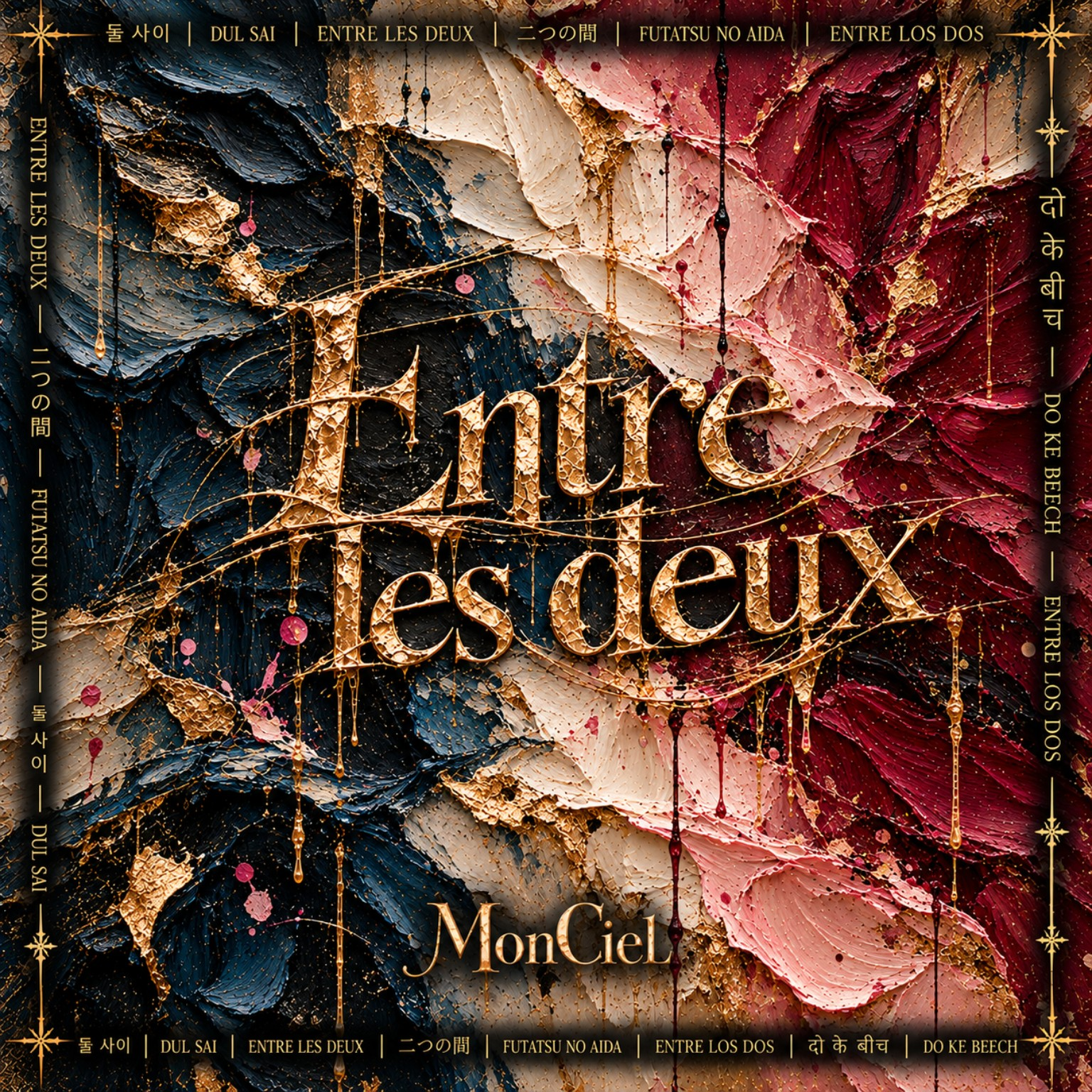
Released November 13, 2026 · The threshold between Render & Ruin
Entre Les Deux lives between two voices, two states, and two selves. It is not a fifth R, but the held breath after something has been seen clearly and before the old structure is allowed to fall.
YouTube exclusive · 7 chapters
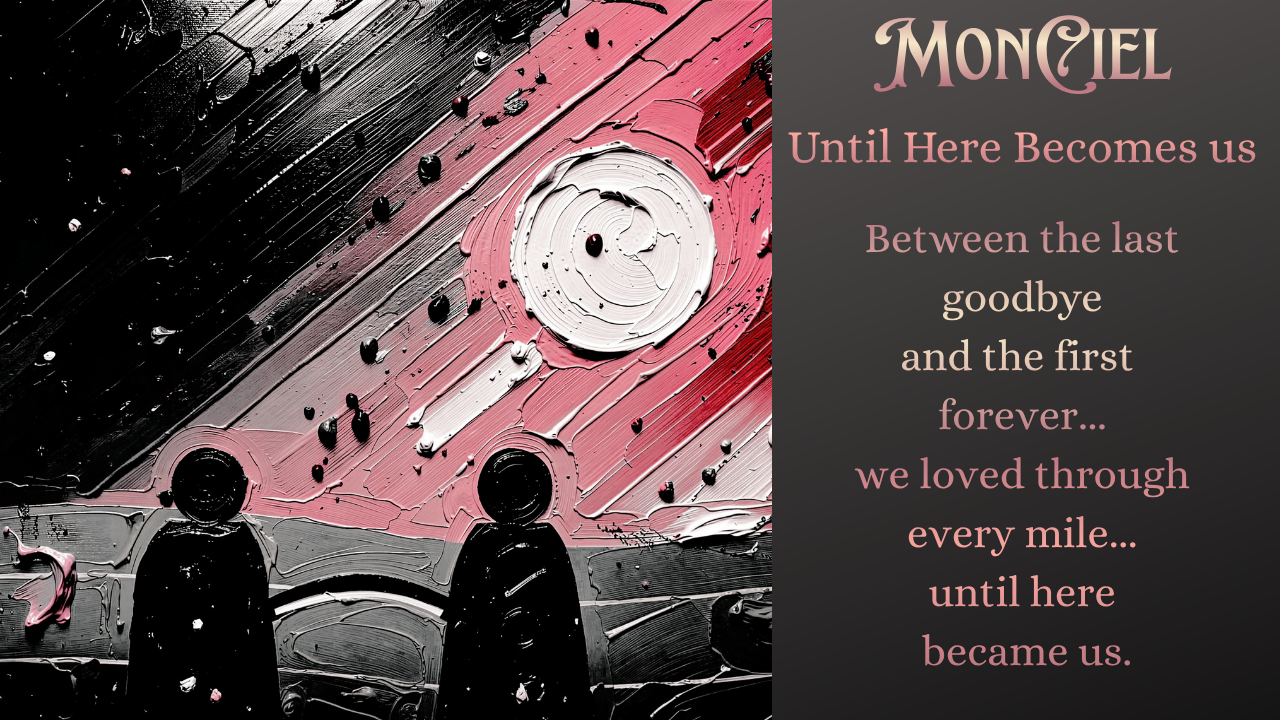
A long-distance love story in seven songs
Seven chapters trace the miles between two hearts—from one more minute apart, through the ache of missing, almost letting go, and choosing each other again, toward the moment they finally arrive together.
YouTube exclusive · Out now
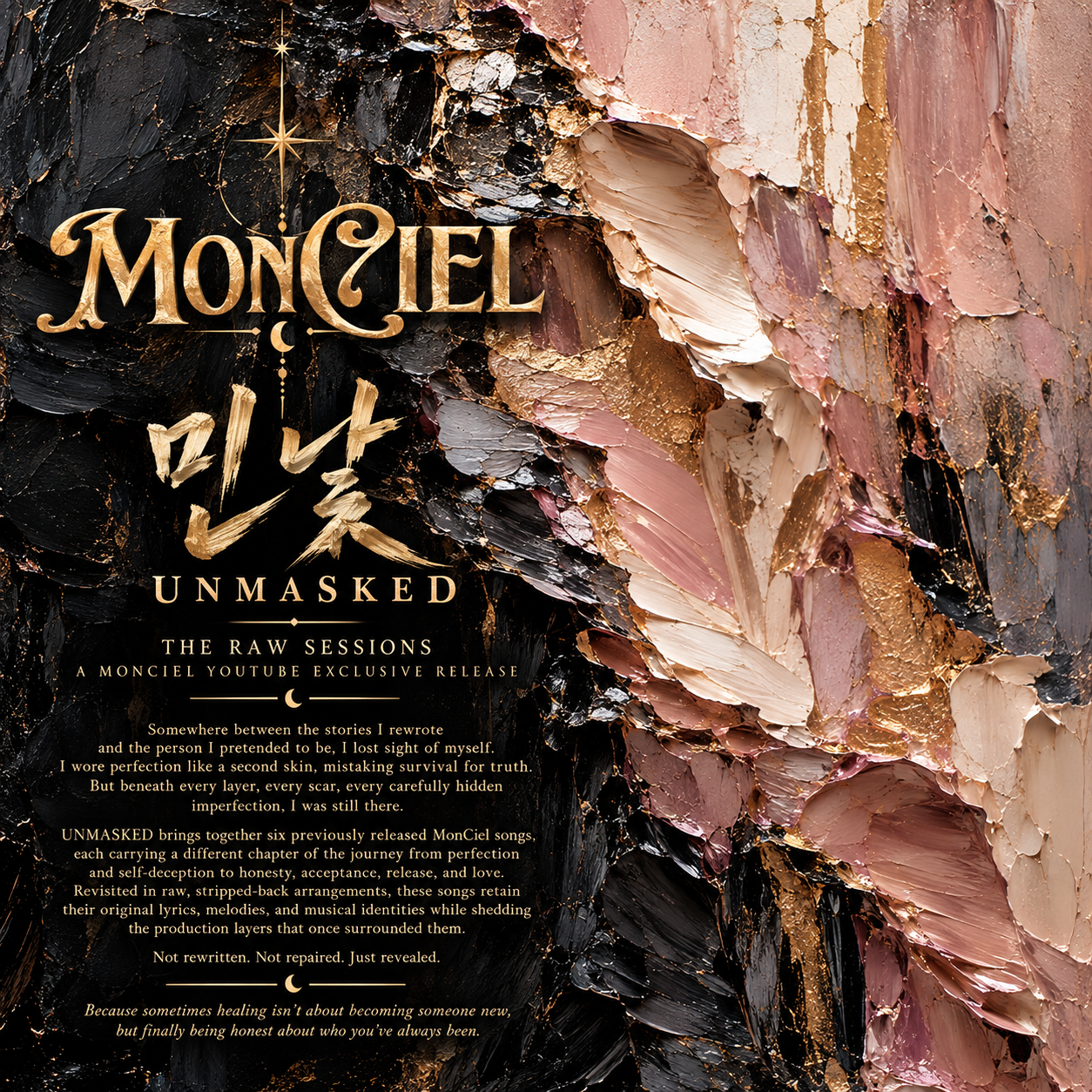
The Raw Sessions · October 22, 2026
Seven familiar songs stripped down and rebuilt as raw, intimate performances. The lyrics remain. The melodies remain. What changes is the distance between the song and the truth underneath it.
Not rewritten. Not repaired. Just revealed.
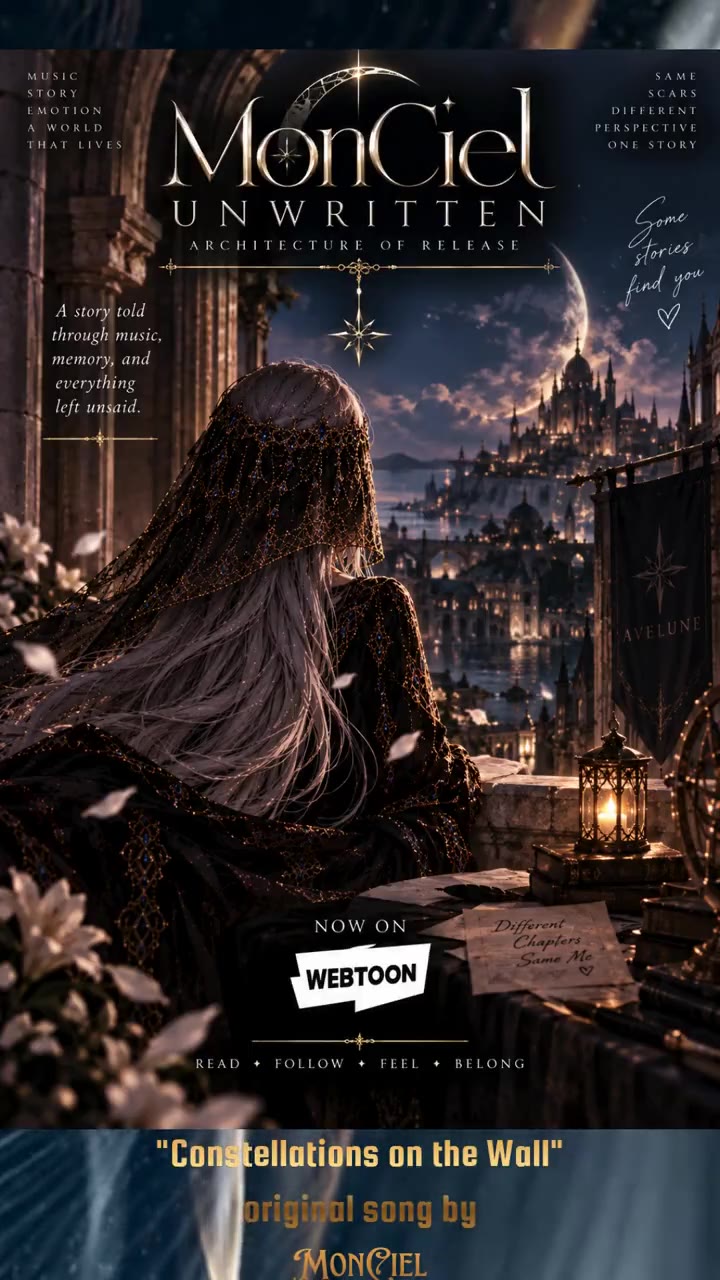
WEBTOON · Nine chapters now live
An Architecture of Release
A story told through music, memory, and everything left unsaid. Different chapters. The same heart. A world where some stories find you.
Original song · “Constellations on the Wall”
Read on WEBTOONA vertical introduction to MonCiel: Unwritten, moving through Avelune imagery, veiled figures, story text, and the original song “Constellations on the Wall.”
The complete release archive
Albums, bridges, and transmissions from the world of MonCiel. Titles only—no full songs.
MonCiel was never created to be a discography. It was built to be a map—a living blueprint of ache, love, distortion, healing, and release.
Each release is a chapter. Each era is an act. Together they trace one inner narrative: from “What is happening to me?” to “Why am I like this?” and finally, “Who am I if I stop carrying this?”
Act 0 · Becoming
01
The first room. Learning how much could be carried before it was ever named.
 02
Out of the Dark · Slow Fast
 03
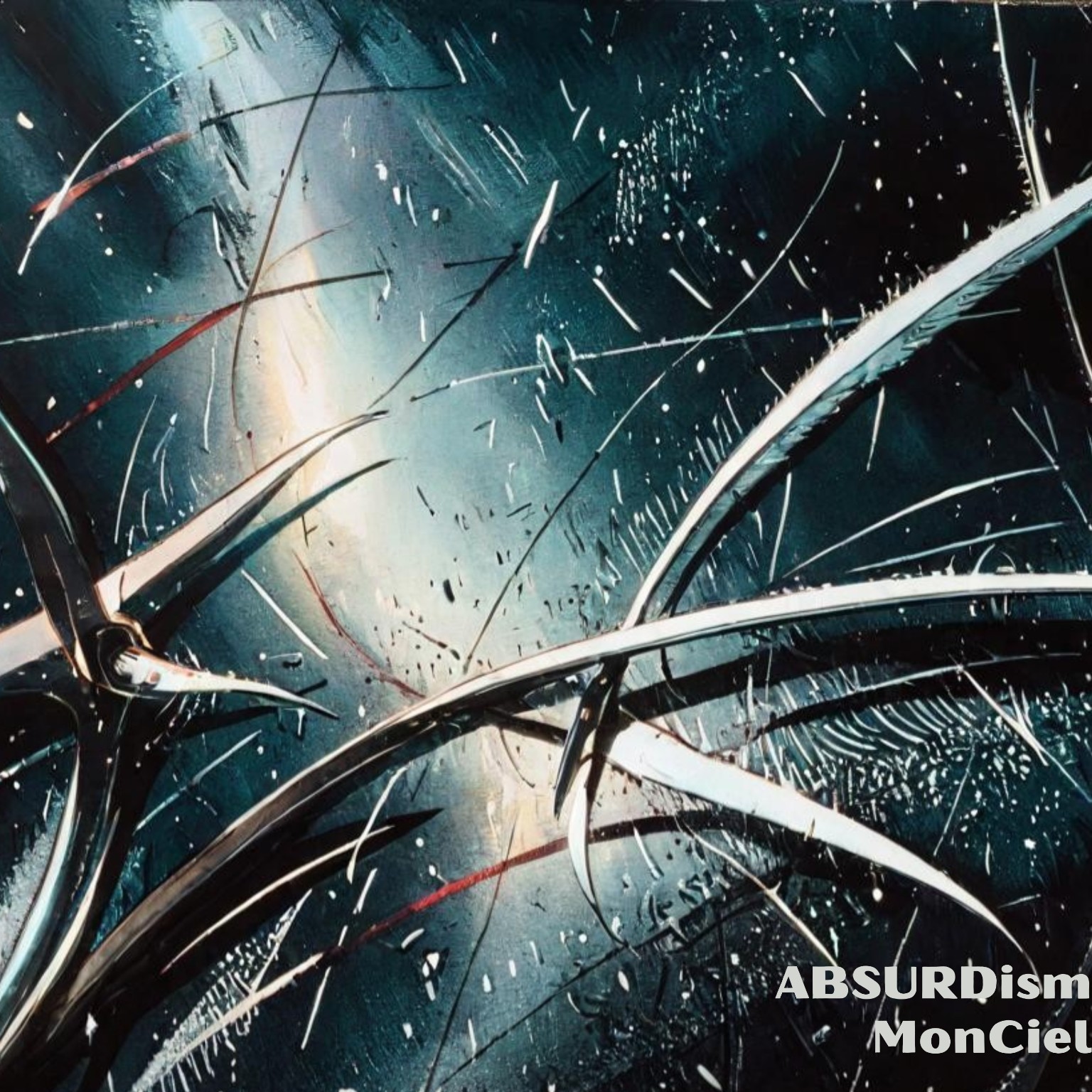
A song about meaning in a meaningless world.
 04
Maybe It’s You
 05
Stay in My Heart
 06
Every Morning · Glass in My Heart · I Don’t
Fragmented · Nine singles
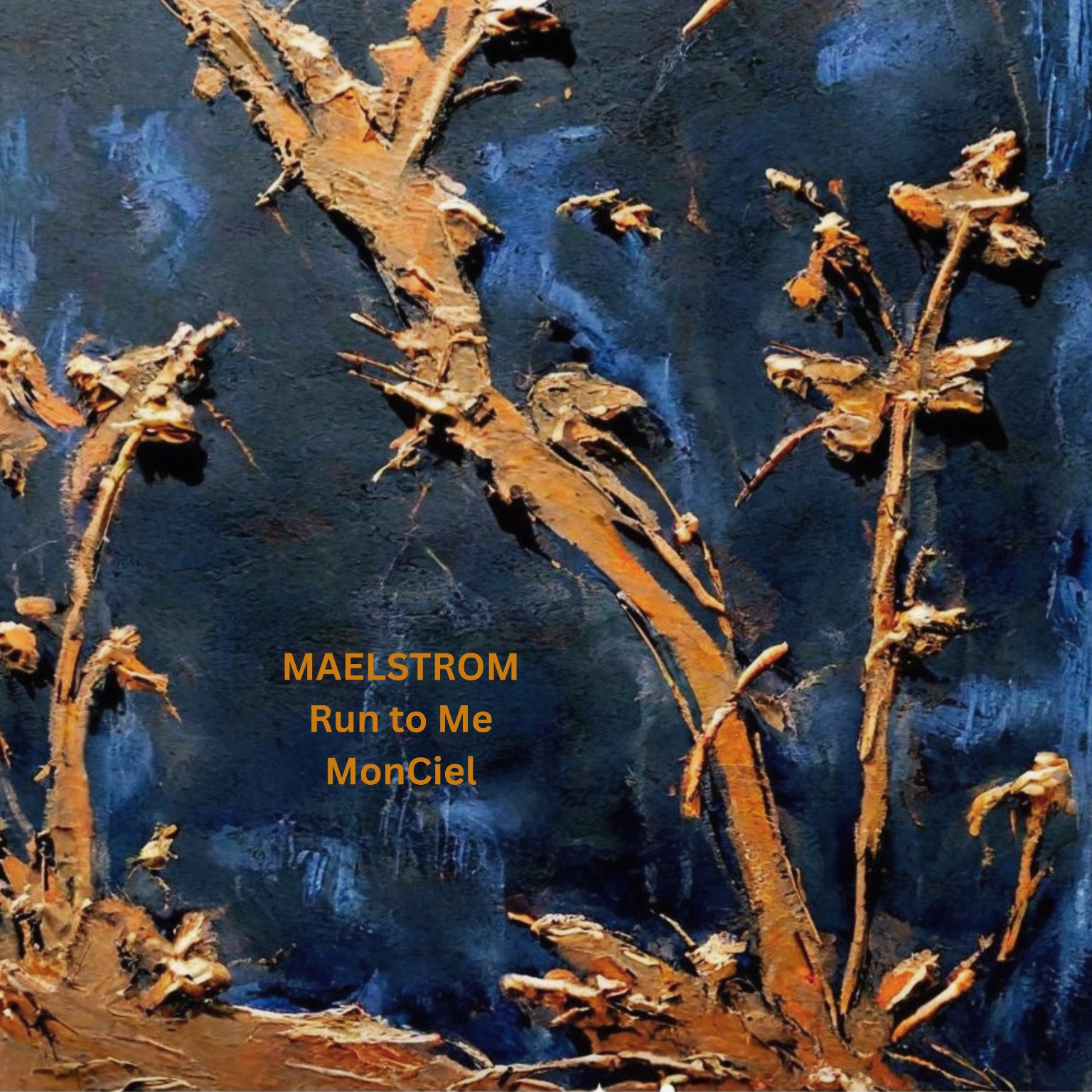
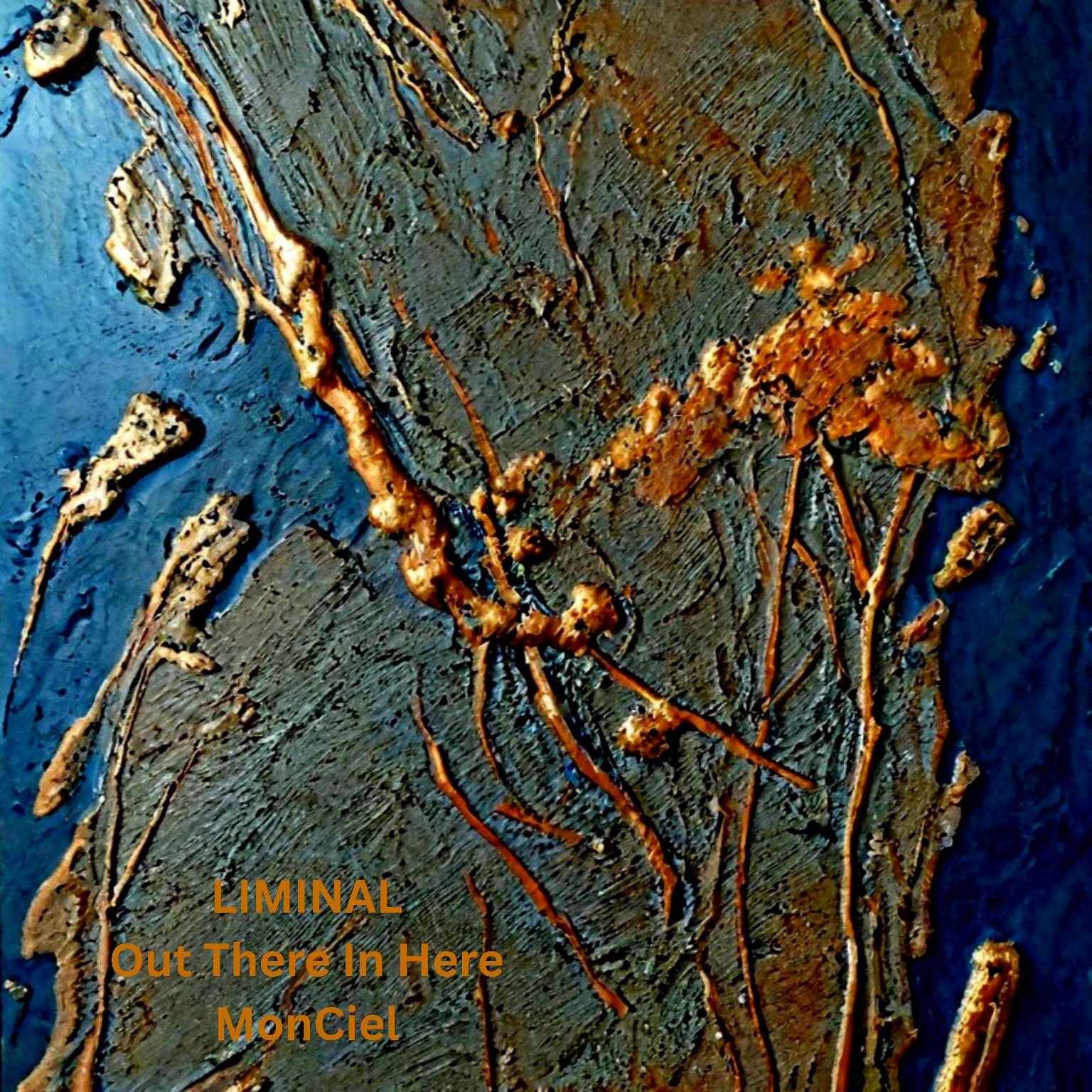
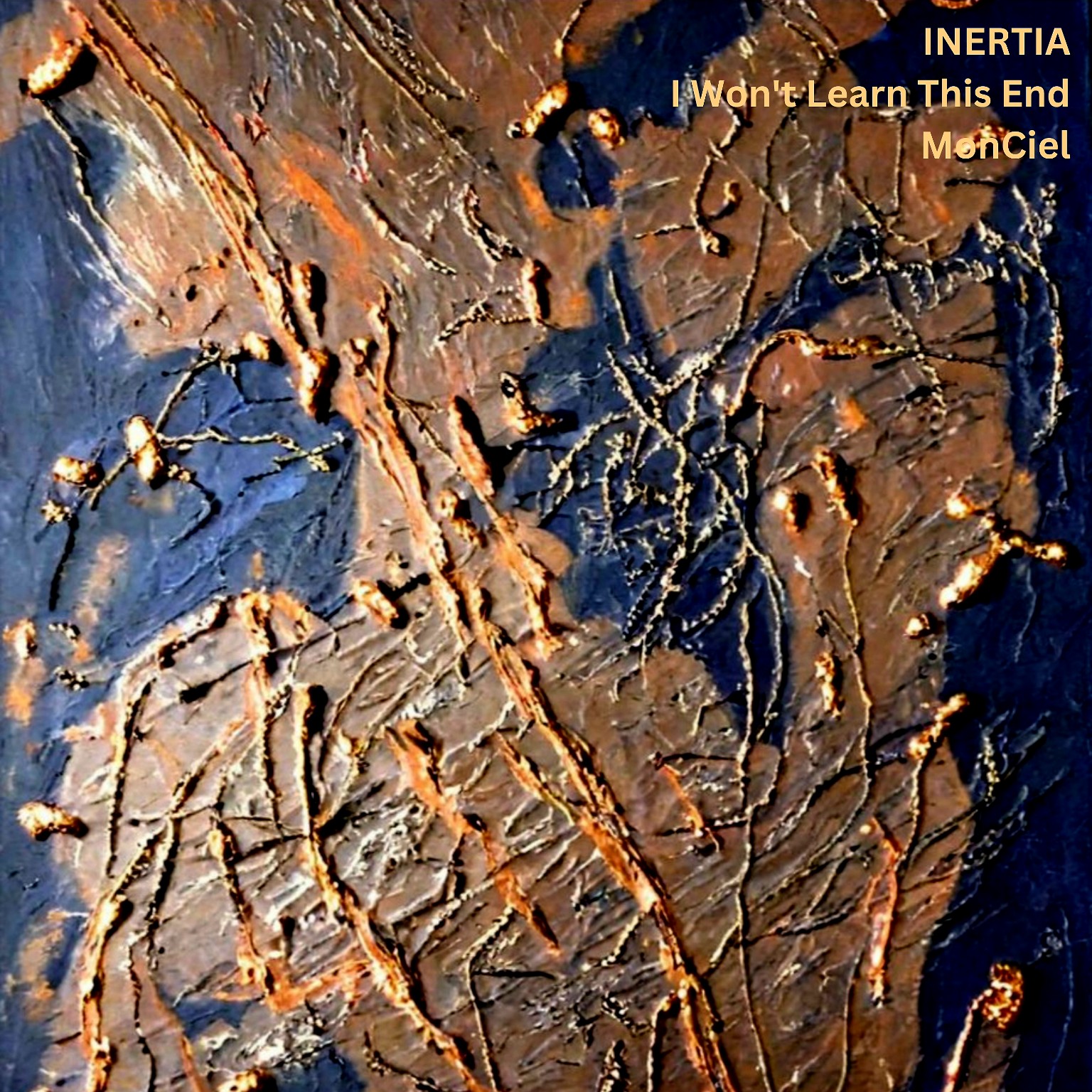
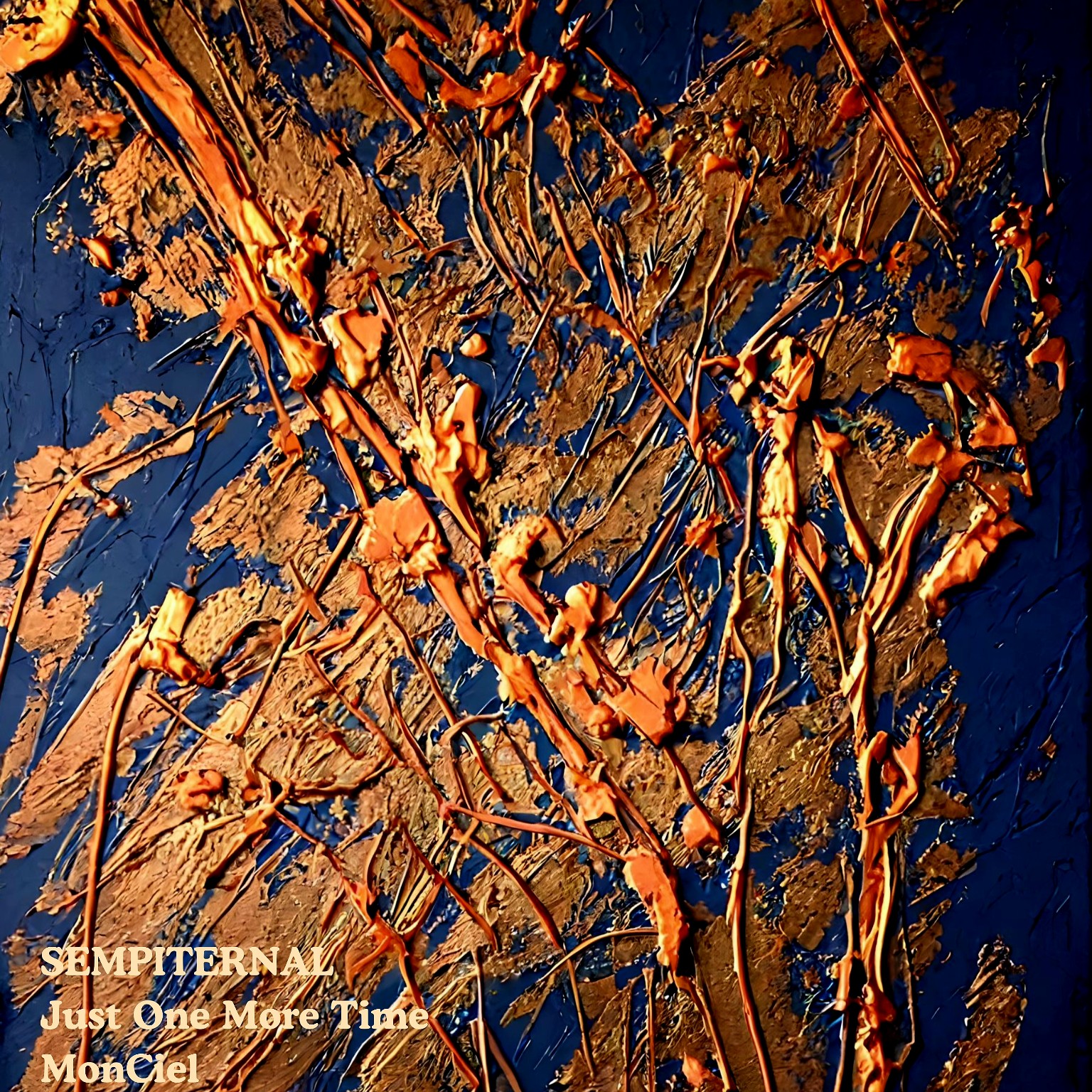
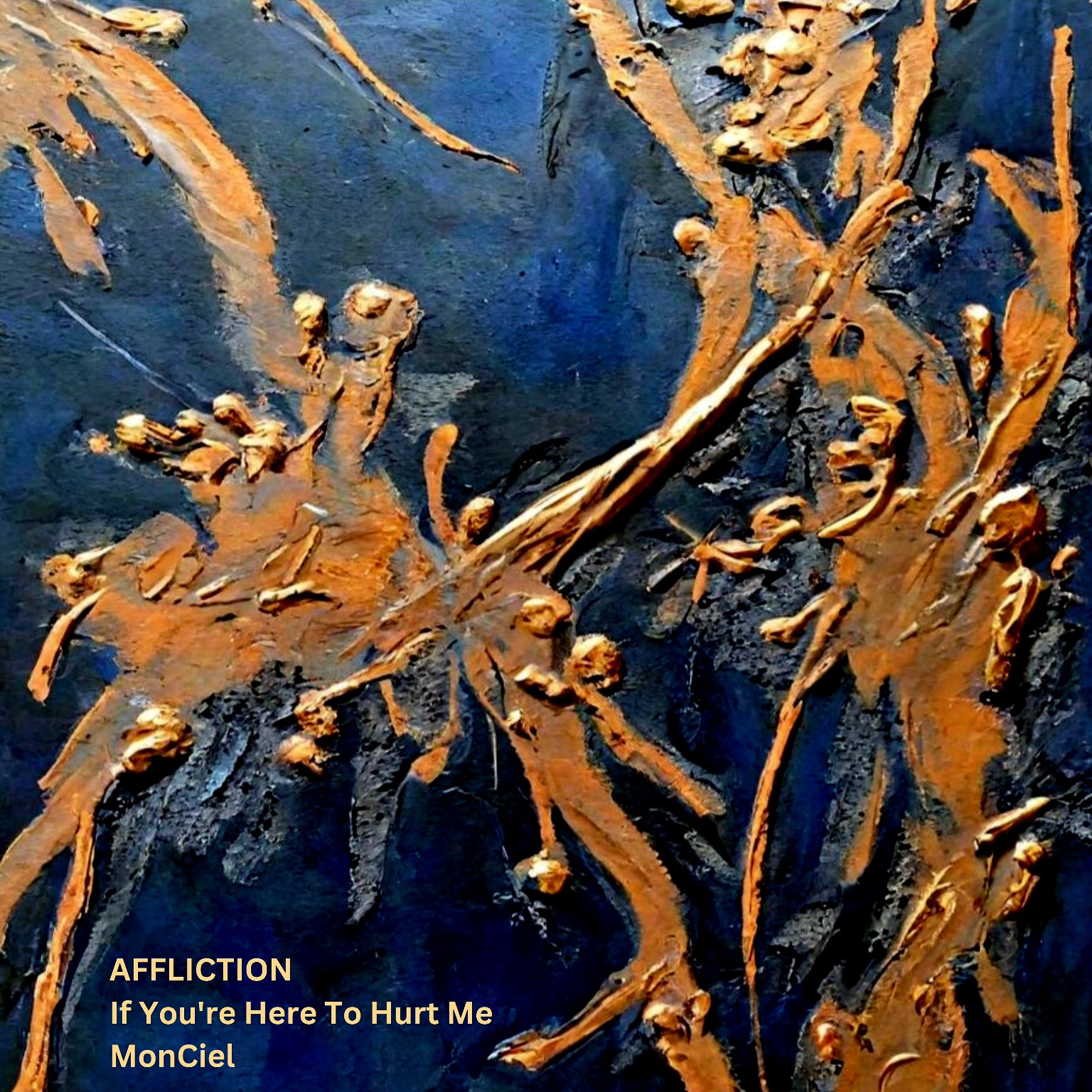
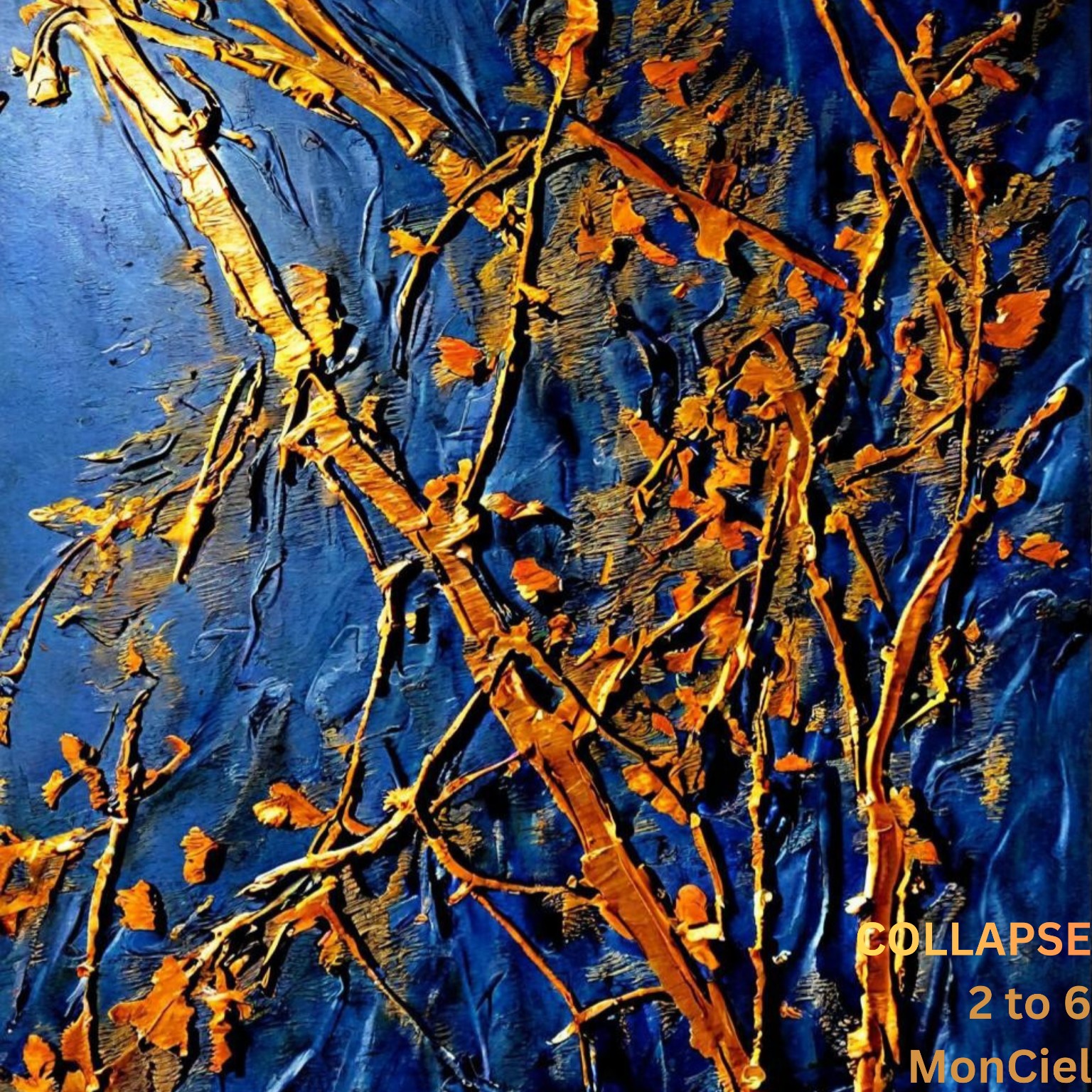
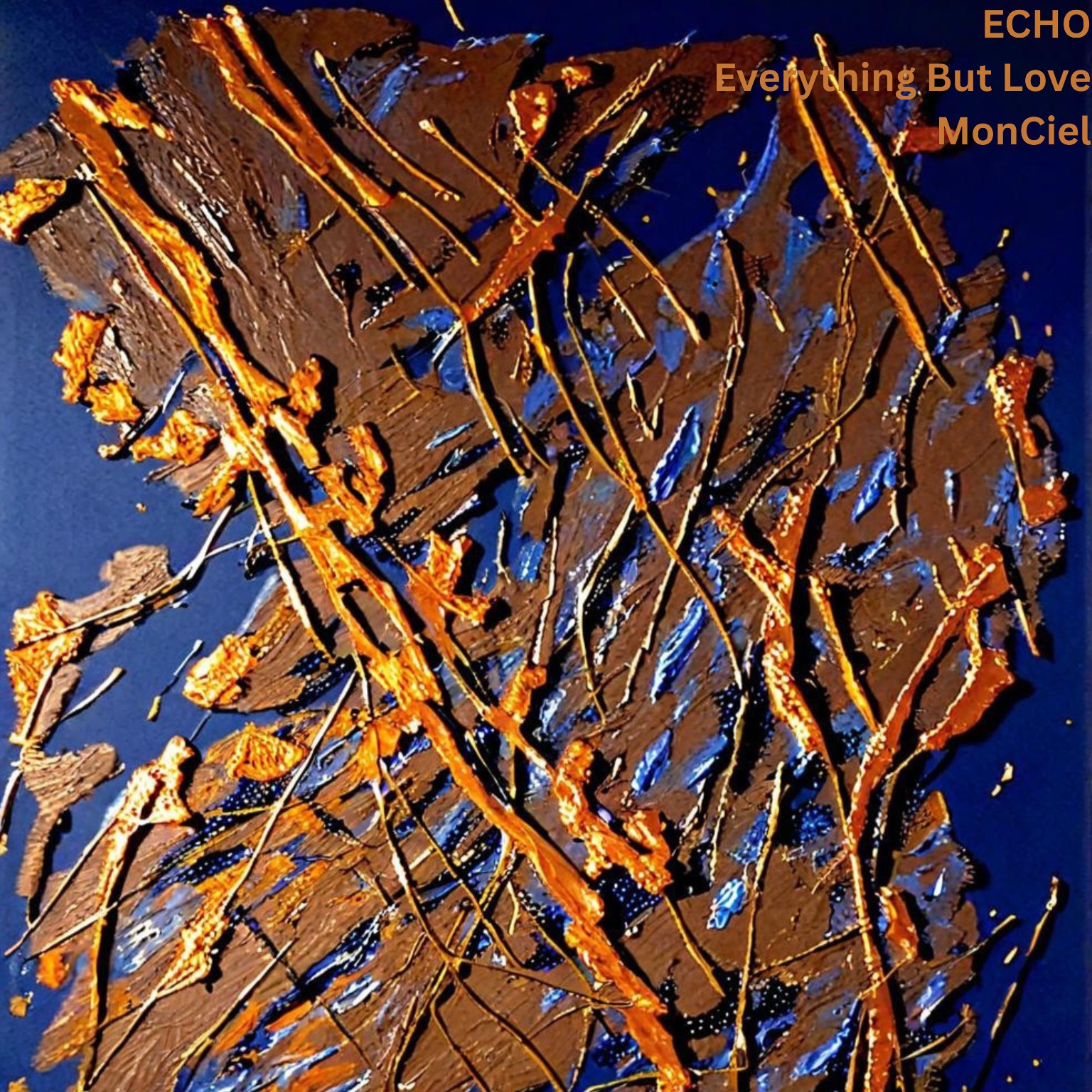
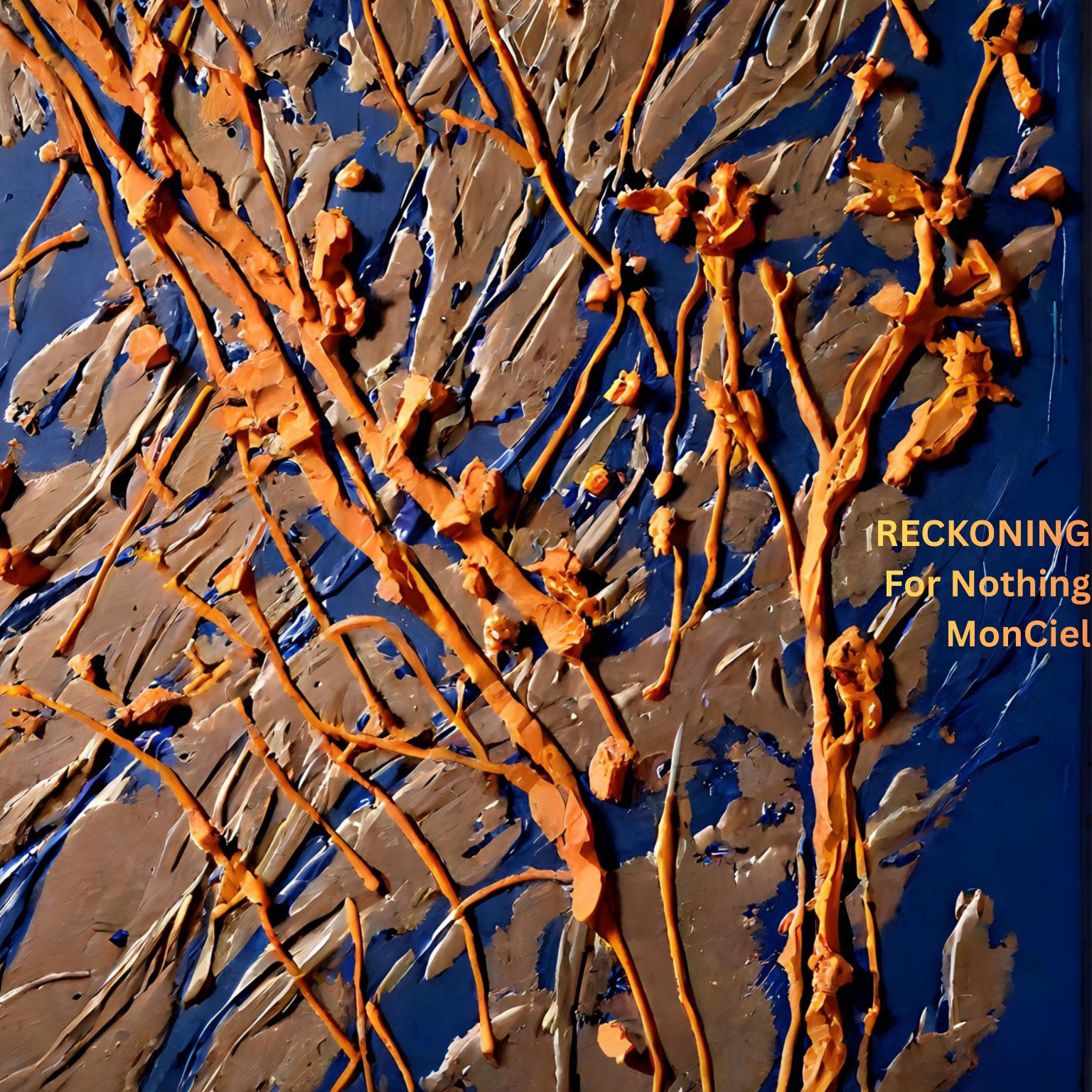
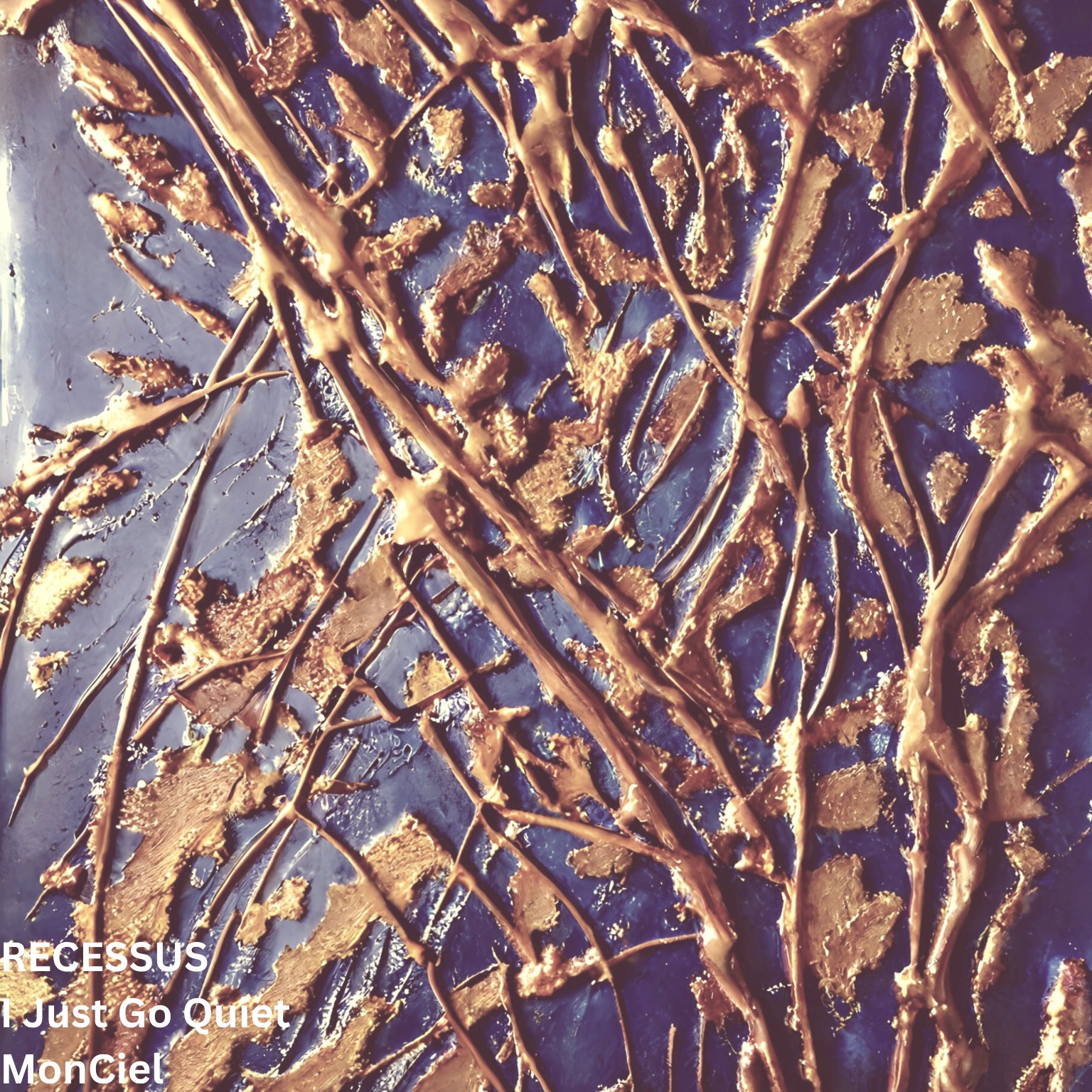
Maelstrom · Liminal · Inertia · Sempiternal · Affliction · Collapse · Echo · Reckoning · Recessus
Suspended · Acts 0, 1 & 2
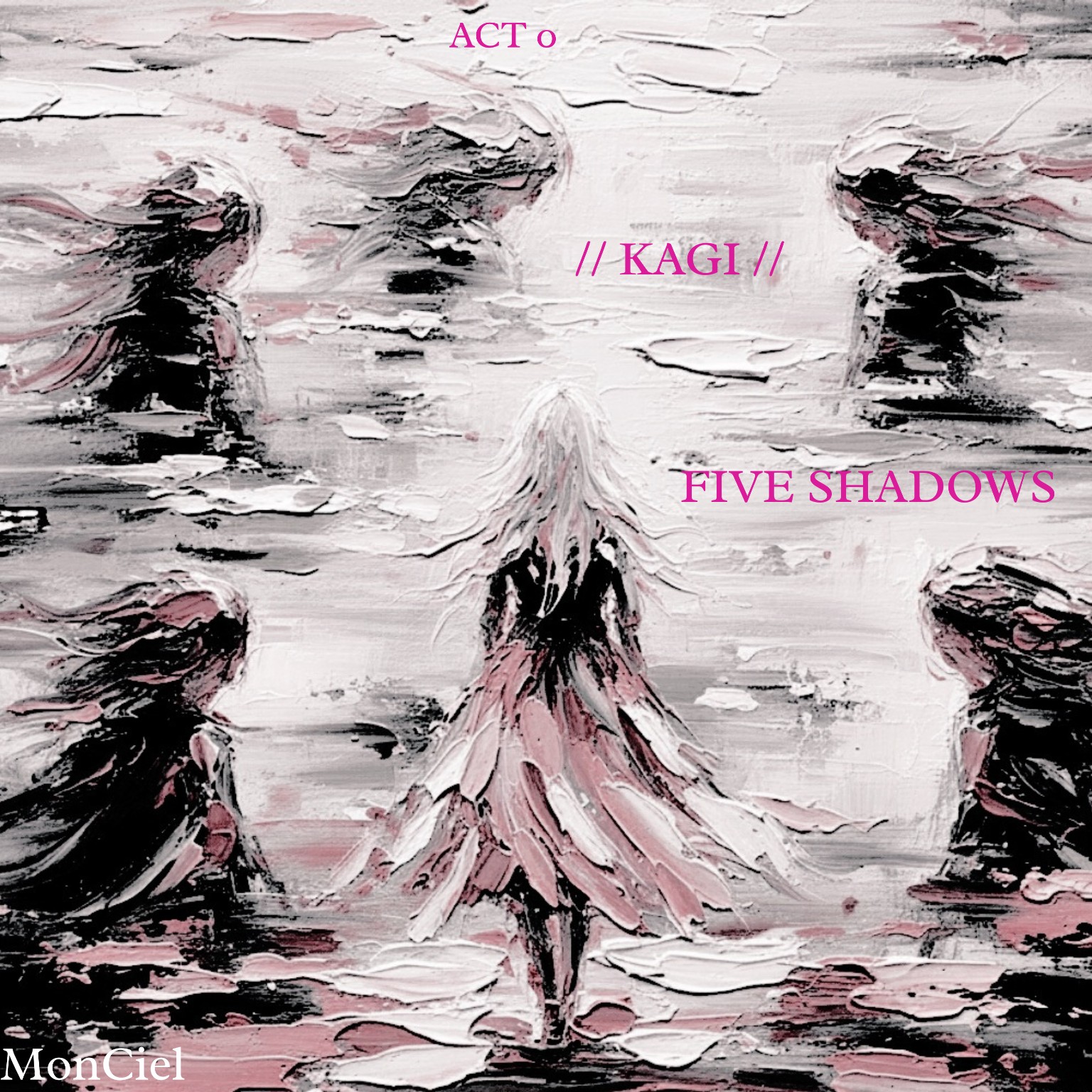 10
Who am I?
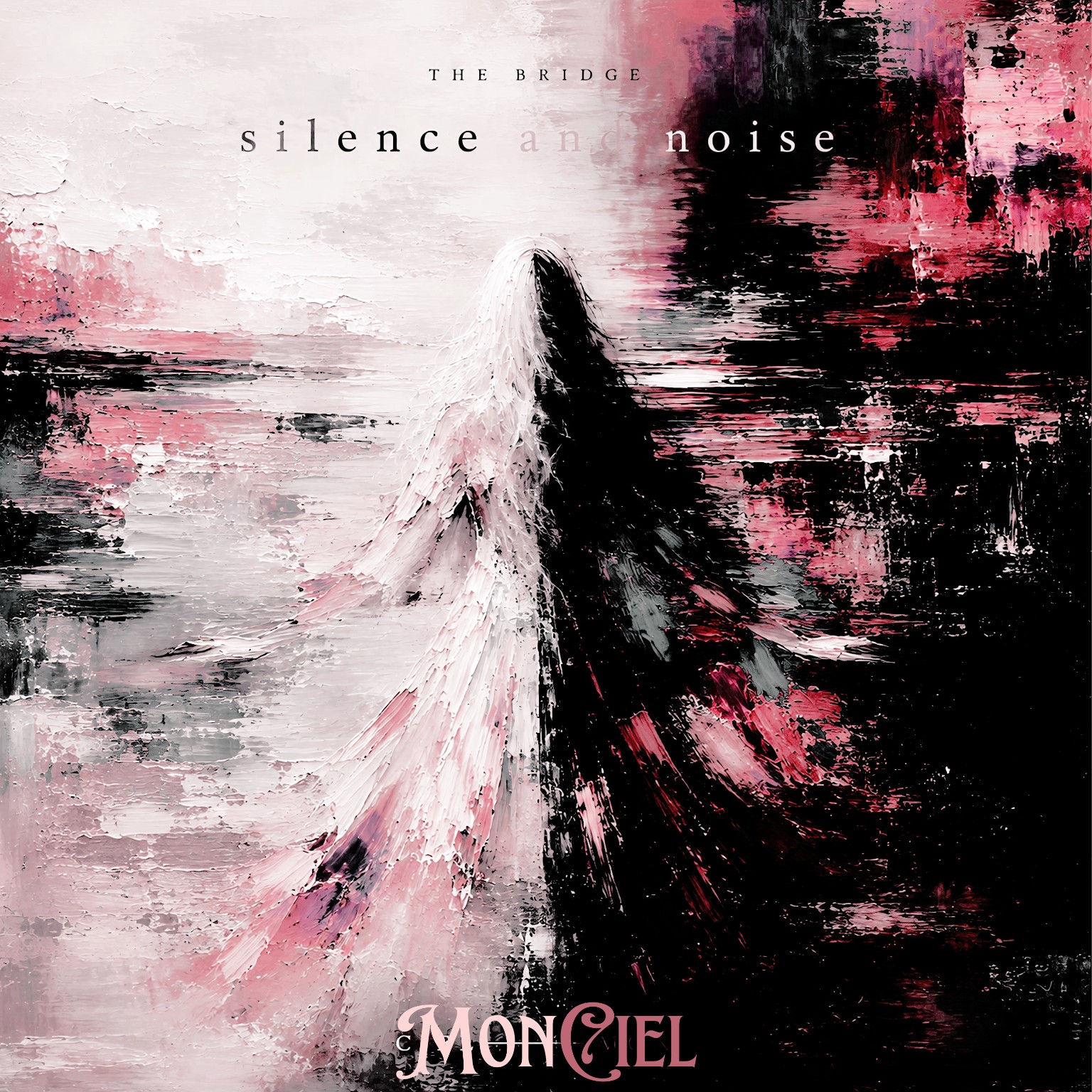 11
Which voice is really mine?
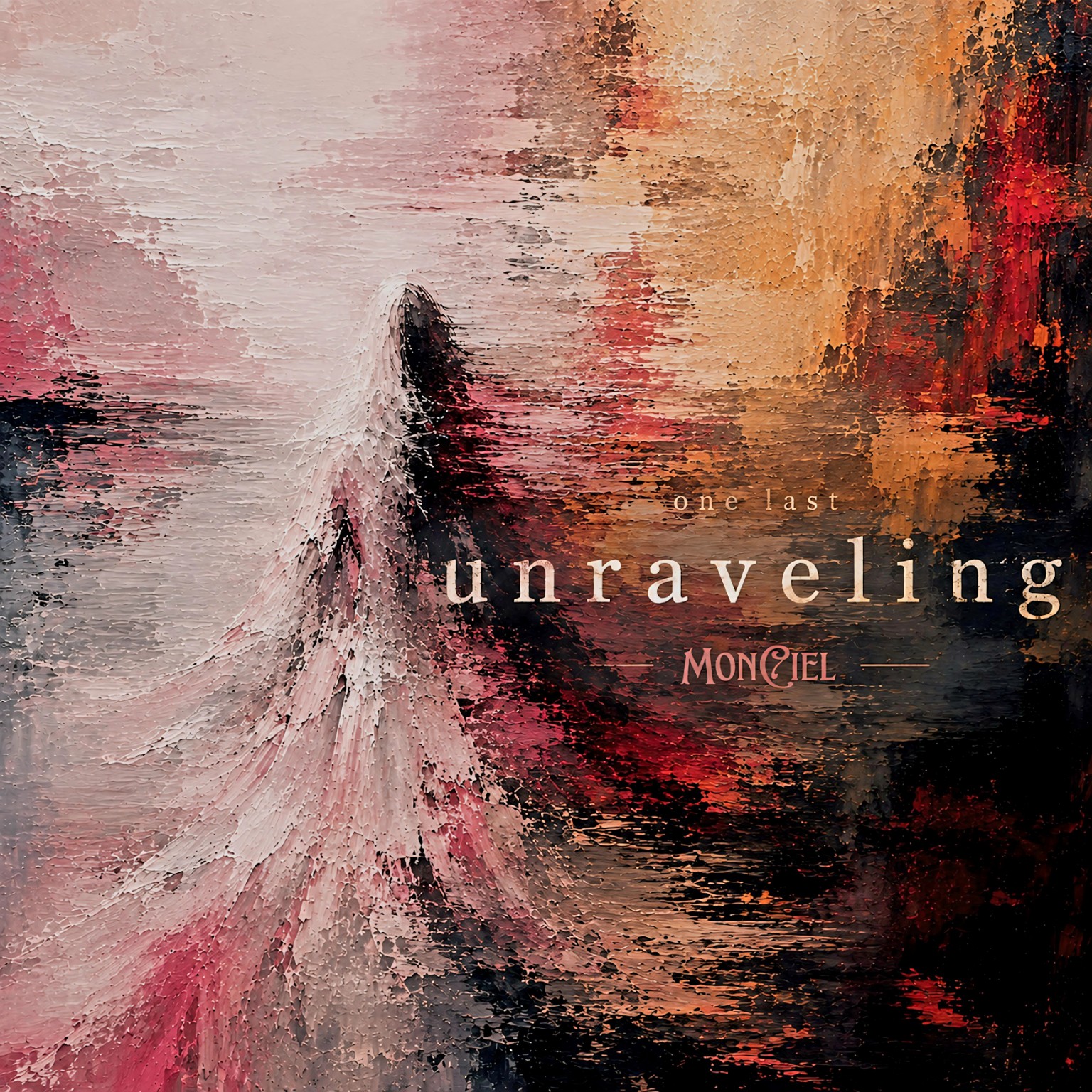 12
One Last Time · Stay With Me · Fool for Your Love · Back to Me · Still You · Almost Mine · Love Me Like You’ll Never Leave
III · YouTube transmissions
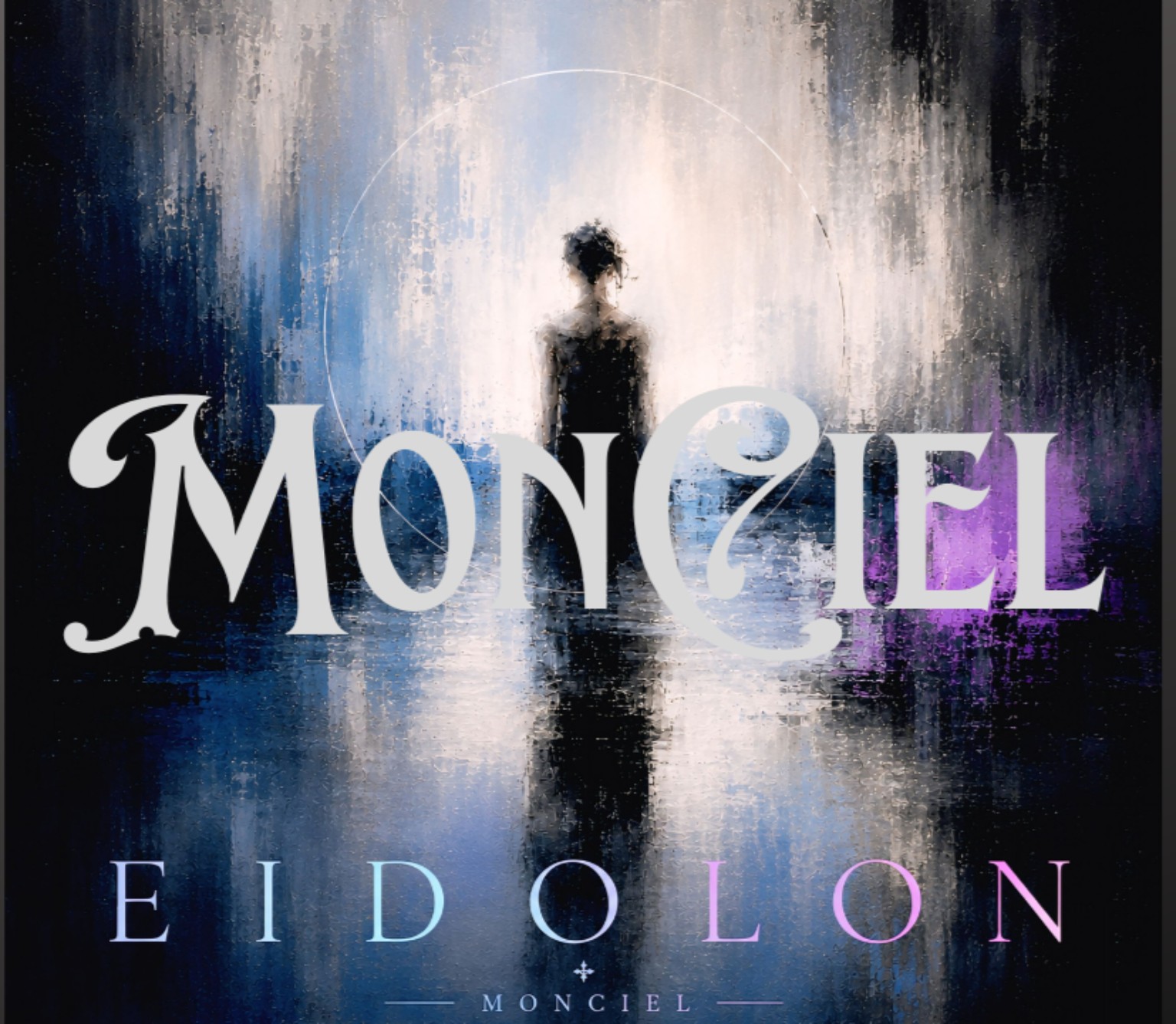 12
Perfect Dance Move · Perfect · Perfect Sunset · Perfect Mess · Perfectly Imperfect
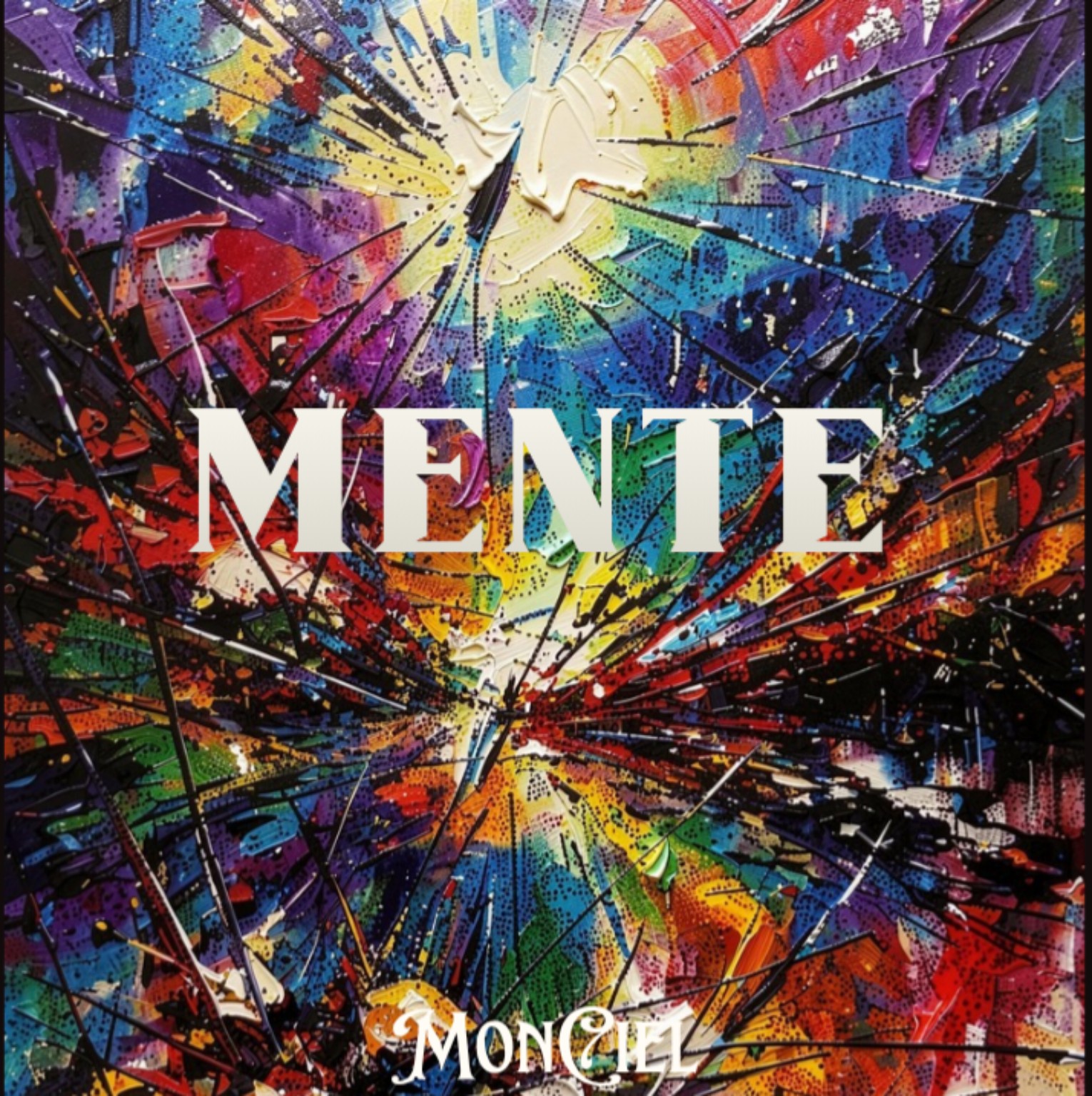 14
A transmission from inside the mind.
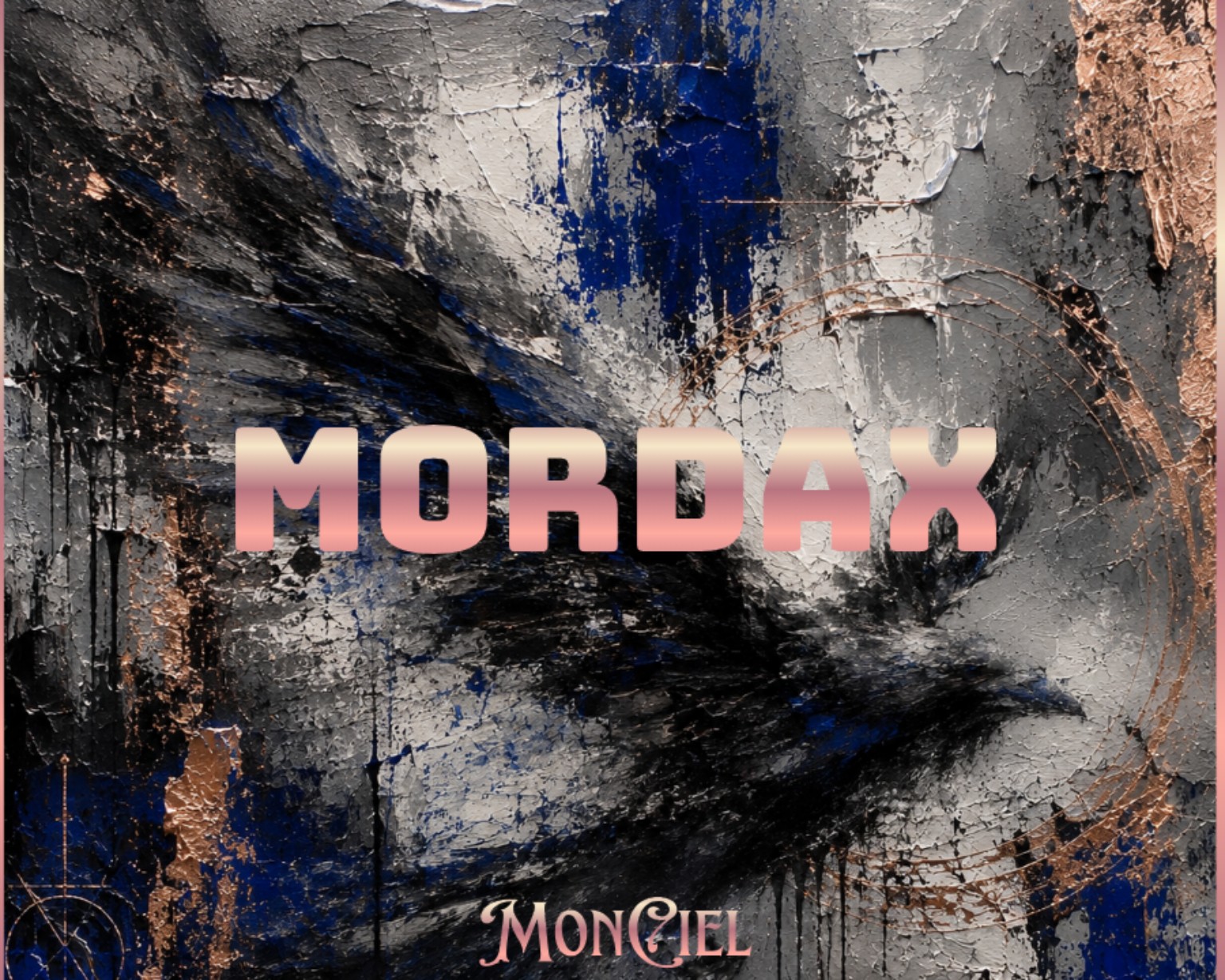 15
Say It Straight
 16
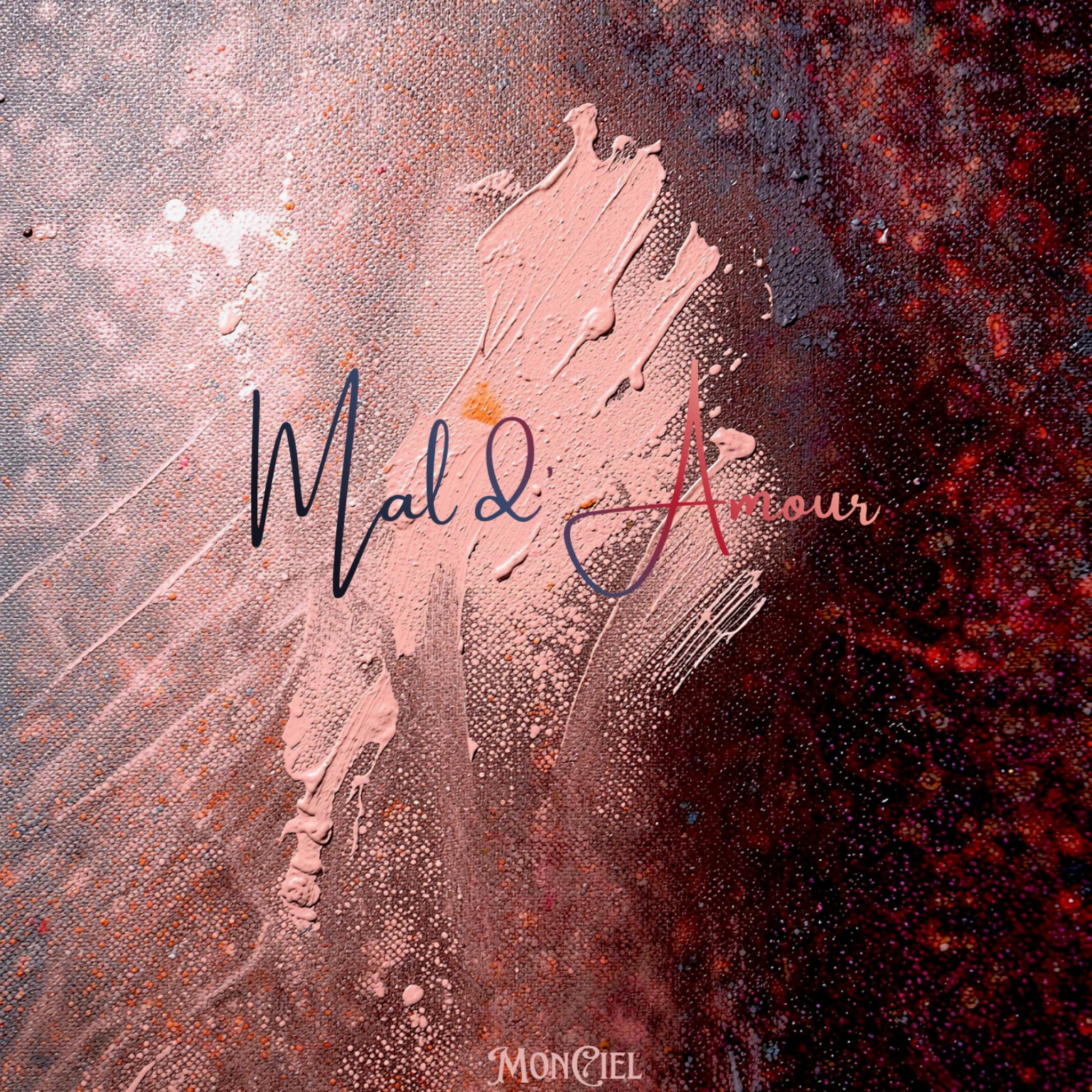 17
18
Perfect, Neat and Clean · Harder Being Honest · Run to Me · Love You Too · Perfectly Imperfect · Untie Me · Love Me Different
Listen on YouTube ↗
19
One More Minute · Far Away, Close to Me · Miss You in Little Things · Almost Let Go · Tomorrow, Too · Almost There · Right Here, Right Now
Open YouTube playlist ↗The threshold · Between Render & Ruin
 B/R
Not a fifth R—a held breath between seeing what is true and allowing the old structure to fall.
Staying Late · Little by Little · Still on Still Okay · Almost Over You · You First · Are You Still Here · I Owe Myself An Apology · Unbecoming
One world · Every release
What began as music became a map. What became a map opened into a story.
Overwhelmed · Captivated
The beginning—when everything was still being carried quietly. These albums live inside survival, restraint, and the emotions hidden beneath a composed exterior. Holding is the sound of trying to remain whole while carrying more than anyone can see.
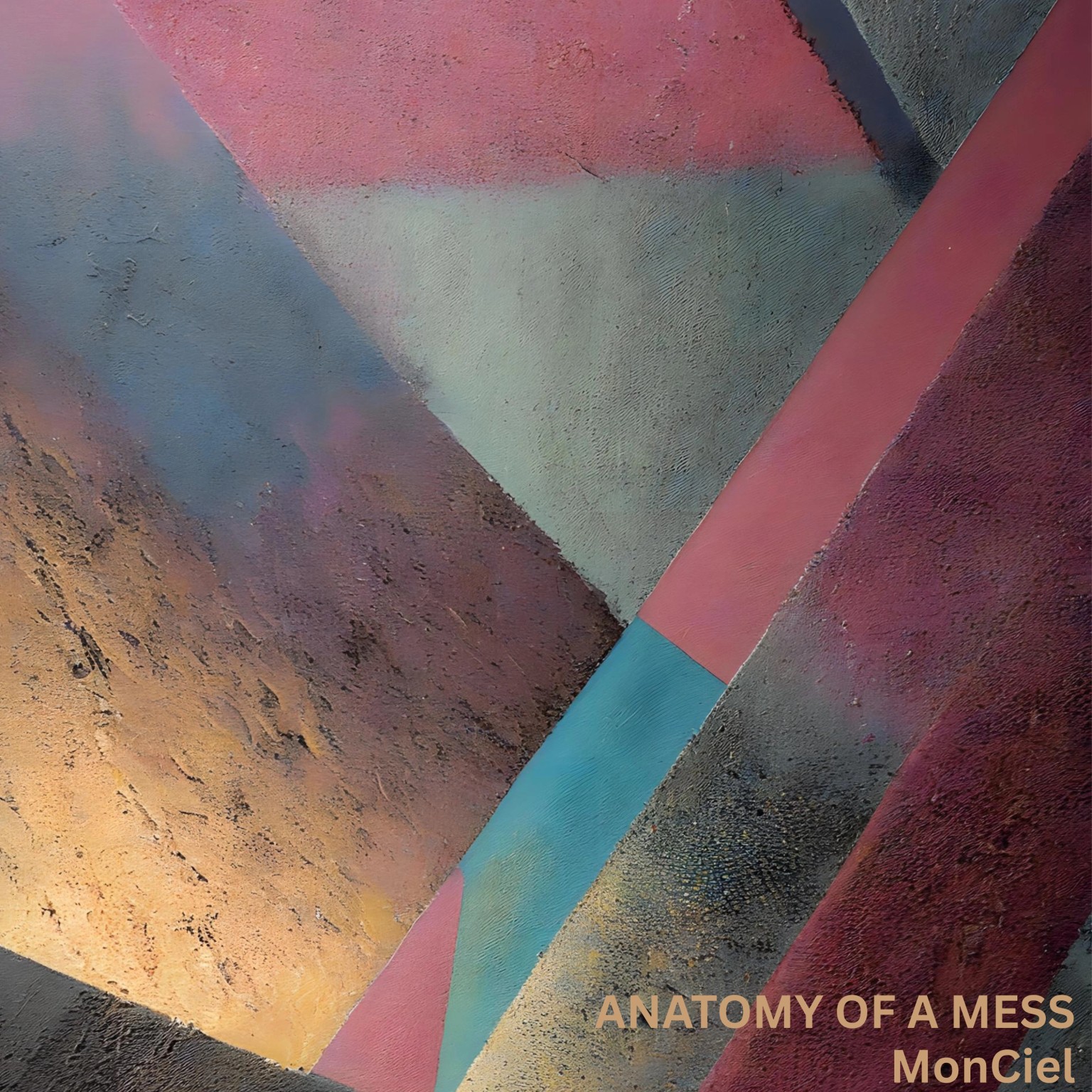
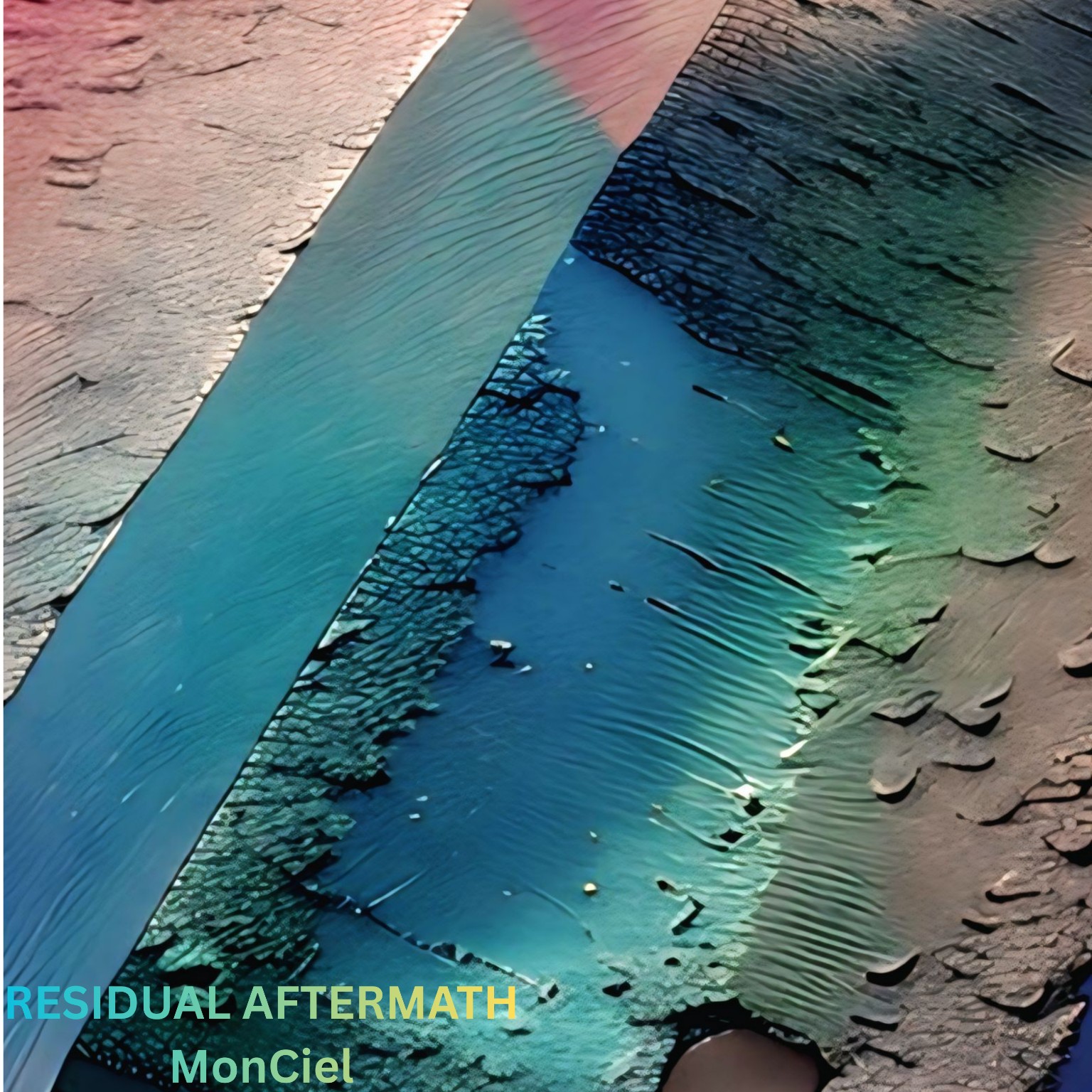
Anatomy of a Mess · Residual Aftermath
The moment the silence turns inward and begins asking questions. Examining takes apart the pain, the patterns, and everything left behind after surviving. It is not about fixing the mess yet—it is about finally looking at it honestly.
Suspended · Fragmented · Absurdism
What was contained can no longer remain intact. Suspended captures the space between holding on and letting go. Fragmented follows the self as it separates into pieces. Absurdism confronts the disorientation of searching for meaning when life no longer seems to follow reason. Together, they mark the point where the old internal structure begins to fracture.
Five Shadows · Unraveling · Amplified
From the fracture, different parts of the self begin stepping forward. Becoming is the emergence of voice, identity, resistance, and power. The shadows are no longer hidden, the knots begin to loosen, and what was once silenced becomes impossible to ignore.
Ruminate · Render · Ruin · Revelation
The final act of the Architecture of Release. First, the past is reconsidered. Then it is given form. What can no longer remain is broken down, and what has always been true is finally revealed. Releasing is not erasing the past—it is understanding it, transforming it, and no longer allowing it to decide who comes next.
Artist journal · Inner revelations
This space holds music that wasn’t written to resolve anything.
It exists in moments—in questions, in contradictions, in things that don’t stay still long enough to become one answer.
Each project is not just a collection of songs, but a state of being. A way of seeing something while you’re still inside it.
There is no single direction here. Only movement through different forms of understanding.
You don’t have to follow it in order. You don’t have to understand it completely. Only to feel it… as it is.
— MonCiel —
The MonCiel manifesto
We do not simply listen to music.
We live in it.
Music is not background noise…
not distraction…
not escape alone.
It is memory.
Movement.
Grief.
Healing.
Color.
Truth.
It is the language we speak when words are too small…
the place we go when reality cannot hold what we feel.
Every melody carries us.
Every harmony reveals what lives beneath the surface.
Every rhythm reminds us we are still here… still moving… still becoming.
We see music in color.
In texture.
In atmosphere.
In the spaces between devastation and hope.
We feel music as comfort…
as release…
as awakening.
It holds us in darkness.
It remembers for us when we forget.
It transforms pain into meaning…
chaos into creation…
survival into art.
Music does not belong to one place, one genre, one history.
It is borderless.
A haegum can ache like memory.
A koto can whisper what silence never could.
A nyckelharpa can grieve across centuries.
A theorbo, a lute, a pikasso—
different origins… one emotion.
This is who we are:
A home for sound without borders.
A sanctuary for feeling without apology.
A space where softness and defiance coexist.
Where Mon and Ciel both speak.
Where sorrow can dance…
and healing can be heard.
Every song is a universe.
Every lyric, a mirror.
Every instrument, a doorway.
We create not to perform perfection…
but to translate the soul.
Not merely music—
but remembrance.
Reclamation.
Rebirth.
I have this quiet obsession with textures most people do not reach for first.
The haegum does not simply play notes—it aches. It trembles. It answers like it is carrying centuries in a single bow stroke. When it slips between tones, it feels like grief learning to speak without words.
The pikasso guitar feels architectural to me. Layered. Expansive. It does not sit politely in the background—it builds space. Its many strings let me stack emotion vertically, like scaffolding around a feeling I am still trying to understand. It is intricate but grounded, complex but warm.
The koto is breath and restraint. Every pluck feels intentional, like a thought placed carefully instead of spilled. It brings clarity to chaos and creates room inside a song for silence to mean something.
The nyckelharpa sounds like memory preserved in wood and strings. Its resonance feels ancient and restless, as though the past is not returning to haunt me, but asking to be heard correctly.
The theorbo carries a beautiful hollowness. Deep, intimate, and almost skeletal, it sounds like wandering through the remains of something that once felt permanent. Its warmth does not erase the emptiness—it gives the emptiness a voice.
The marimba brings movement without demanding attention. Its wooden tones can feel curious, hypnotic, playful, or quietly unsettling. It creates patterns that continue beneath the surface, like thoughts the mind keeps revisiting even after the words have stopped.
The piano is where I return when everything becomes too complicated. It can hold tenderness and devastation in the same chord. The electric piano softens those edges, suspending emotion somewhere between memory and dream.
The cello is the body beneath the voice. It carries weight without becoming heavy and sorrow without collapsing beneath it. Sometimes it mourns. Sometimes it steadies everything around it.
The janggu moves like an internal conversation—two sides answering, interrupting, and challenging one another. Its rhythm can bend between restraint and urgency, becoming the pulse of conflict between silence and noise.
The taiko is conviction. It does not ask whether a feeling deserves to occupy space. It arrives with its whole body. Where other instruments reveal what is hidden, the taiko gives it the courage to stand.
The kulintang brings motion, inheritance, and bright metallic rhythm. Its patterns feel communal and alive, carrying history forward without trapping it in the past.
The kudyapi carries intimacy through its strings. Earthy and meditative, it feels like a story passed from one pair of hands to another—a reminder that emotion existed long before it was recorded.
The kubing is small but deeply human. Its vibration feels close enough to become breath, pulse, and private thought. It proves that a sound does not need to be large to enter the body.
The djembe speaks through touch. The bodhrán rolls like weather beneath the skin. Drumlines turn private unrest into collective movement, while gated drums make emotion strike, disappear, and leave its shadow behind.
The hollow acoustic and electric guitars create open rooms around the voice. Clean electric tones shimmer at the edges like distant light, while warmer acoustic textures keep the music connected to something tangible and human.
The ukulele carries home. Its brightness is not shallow—it holds warmth, island memory, intimacy, and the quiet comfort of something familiar. In a landscape filled with ancient strings and heavy percussion, it brings the music back to the shoreline. It reminds me that gentleness can still have roots.
The rounded bass carries the foundation—deep, warm, and reminiscent of another era. It does not always announce itself, but the entire song feels its absence when it is gone.
The muted trumpet sounds like longing viewed from a distance. The saxophone is warmer and less guarded—it bends, confesses, and allows desire to remain complicated.
The contrasax is depth made physical. Massive, dark, and almost subterranean, it does not merely support the music—it moves the ground beneath it. Its voice can feel dangerous, mournful, or magnificently defiant. If the saxophone confesses, the contrasax declares. It is the sound of everything buried too deeply finally rising with enough weight to be felt.
Maybe I gravitate toward these instruments because they do not all speak the same musical language, yet they understand the same emotion.
Some ache
Some whisper
Some shimmer
Some fracture
Some answer
Some refuse to remain quiet
Together, they create a home for sound without borders—a place where instruments from different histories do not compete for space, but meet inside one emotional landscape.
They sound like what I have always tried to write:
Emotion that is not performative
Pain that does not need to be loud to be real
Beauty that feels ancient, unfamiliar, and deeply human
Silence with something living inside it
Noise that finally knows why it exists
It is not simply instrumentation.
It is how I give each feeling a body.
It is how Mon becomes noise
How Ciel becomes silence
And how I translate everything between them that I still cannot say directly
MonCiel was never created to be a discography. It was built to be a map.
A living blueprint of ache, love, distortion, healing, and release—told through two voices learning how to exist in the same body:
Mon — the weight, the questioning, the fracture
Ciel — the light, the longing, the transcendence
Where they meet is where the story begins.
These albums are not separate projects. They are emotional coordinates—each one documenting a stage of becoming.
This is the first of sharing my inner revelations on my songs, lyrics, and album covers. Let us call it my chaos in order to convey.
I suppose I felt the need to do so after taking a step back to see—to feel—what all of this means. And thus blossomed another pivot from one to another. I now see and feel a different path… journey… one far from what I initially thought it all meant.
I actually think it emerged rather than being explicitly planned from the beginning. Looking at them together, though, there is a very natural three-act architecture. One I honestly never planned.
There’s a concept in psychology and creativity called retrospective coherence.
When we look back over years of work, we naturally find themes and structures that weren’t fully realized, but did emerge because the same mind kept returning to the same questions. That doesn’t mean every pattern was intended. It means there was a consistent creative compass underneath.
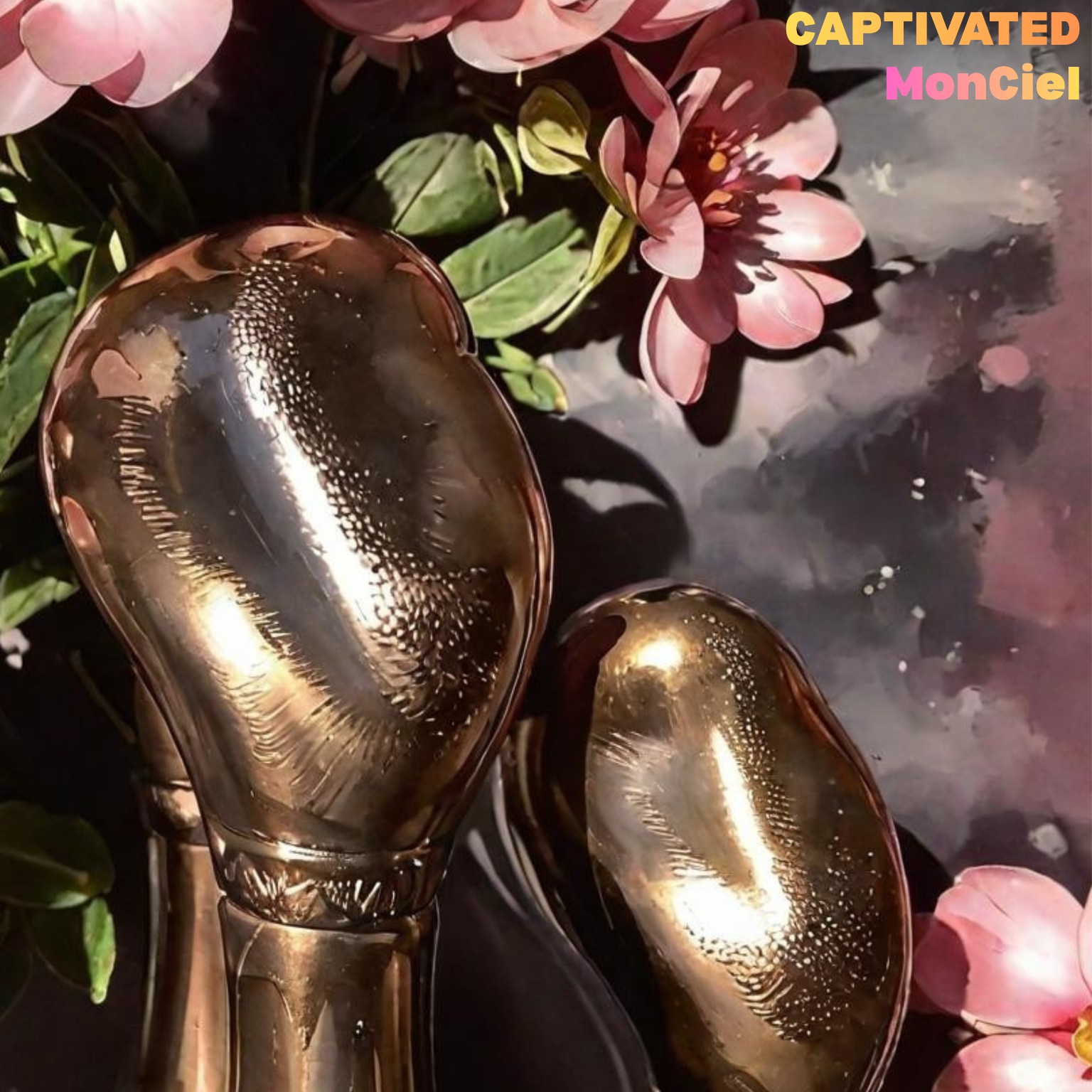
At the beginning: flowers, polished objects, geometric forms.
Then: branches, fractures, texture.
Then: shadows, blurred figures, almost no objects at all.
It’s as though the world disappears and only the person remains. That progression wasn’t something I noticed until I laid all the covers out together.
Overwhelmed — the self is flooded
Captivated — the world pulls you outward
Absurdism — reality stops making sense
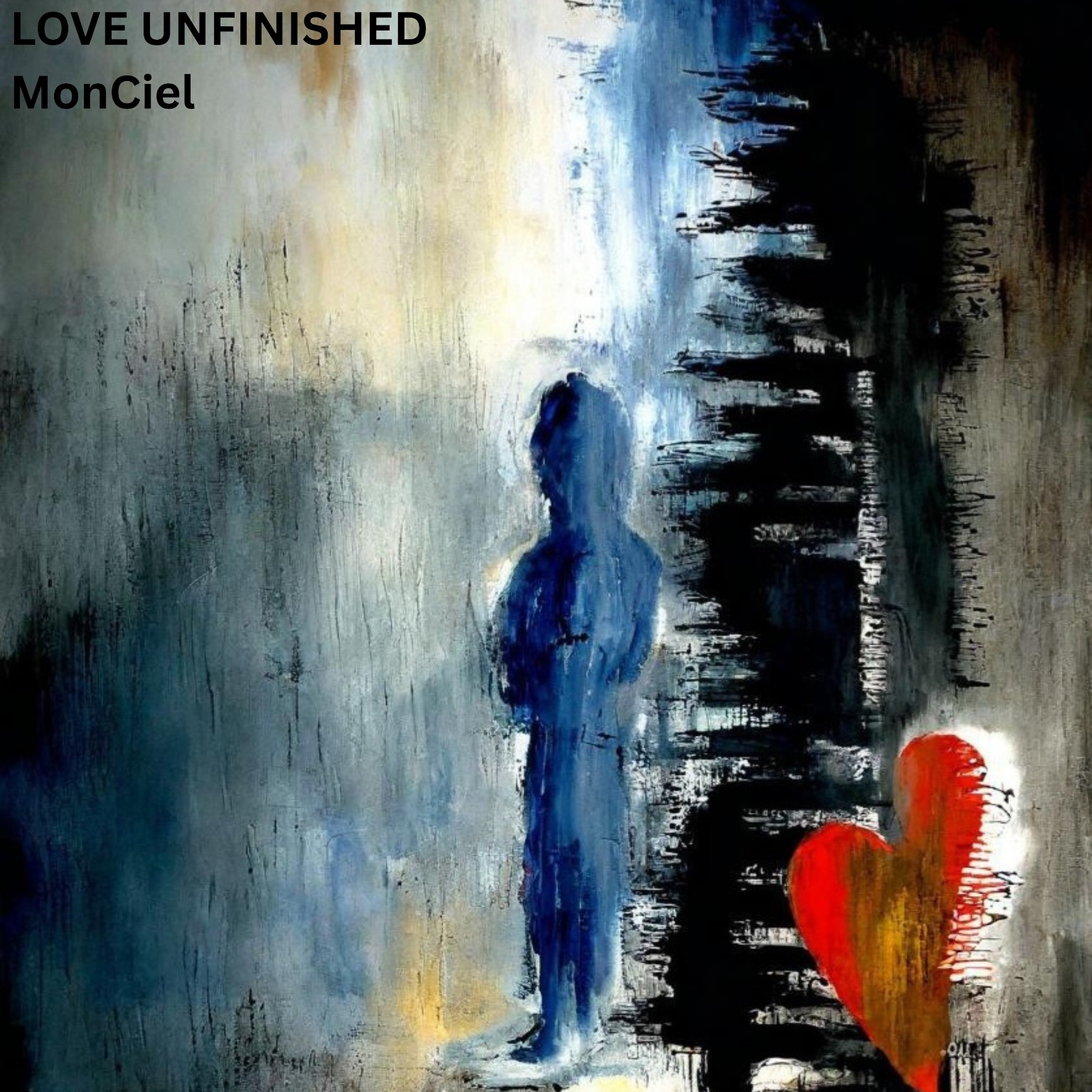
Love Unfinished — the first fracture
Anatomy of a Mess — the wound is examined
Residual Aftermath — living with what’s left
This is the origin story.
I’m not fighting myself yet. I am becoming the person who eventually will.
Fragmented doesn’t ask, “What happened?” It asks, “What does damage feel like while it’s happening?”
Every single is a different psychological state:
Maelstrom · Liminal · Inertia · Sempiternal · Affliction · Collapse · Echo · Reckoning · Recessus
Instead of telling one story, it disassembles one person.
This is exactly where I am standing now.
Five Shadows — Who am I?
Silence and Noise — Which voice is really mine?
Unraveling — What remains after I stop pretending?
It’s no longer about heartbreak. It’s about identity.
Five Shadows is literally called “Act 0.” At first glance it seems to reset everything. But I don’t think it’s resetting. It’s revealing that everything before it was the prequel. The albums before were the events.
Five Shadows reveals the mechanism behind those events. It’s saying: “Now that you’ve seen what happened… let me show you why.”
That makes Five Shadows simultaneously the end of one saga, the beginning of another, and the key that unlocks both.
From there, what comes after does not feel like sequels. It feels like life after reconstruction.
Looking back over everything, I don’t think this structure was consciously designed from day one. My themes have been surprisingly consistent, so the architecture somehow grew organically. Sometimes long creative projects develop an internal logic that only becomes visible in retrospect.
That’s one of my favorite things about seeing these covers side by side. They don’t just look like albums anymore. They look like chapters in the same book.
Creative work often feels chaotic from the inside because I’m making decisions one at a time. I’m responding to whatever question or emotion is most alive in that moment—not trying to draw a perfect map.
When I stepped back, I discovered that the map was being drawn anyway.
The questions evolve. Early on the songs ask, “What is happening to me?” Later they ask, “Why am I like this?” Then they become, “Who am I if I stop carrying this?”
The imagery matures. Flowers become branches. Branches become fractures. Fractures become shadows. Shadows become blurred figures.
It’s not random imagery. It keeps transforming while staying connected.
The perspective shifts. At first the pain mostly comes from outside. As the catalog grows, the focus turns inward—toward memory, identity, and self-perception.
Fragmented is incredibly textured—almost noisy. The eye does not know where to land. Then Five Shadows simplifies everything. There are fewer visual elements, more space, as though all that noise has been distilled into a single figure.
Unraveling strips it back even further. It is nearly just one person dissolving into light and shadow.
It is almost the opposite of what you might expect. Instead of becoming bigger, the visuals become quieter. That mirrors the emotional journey. The early albums are filled with the need to understand everything. The later ones become less interested in explaining and more willing to simply exist inside what is true.
I smiled when I saw Love Unfinished sitting where it does in my first collage. At the time, it may have seemed like one release among many. Looking back, it resembles a hinge between eras—the point where the focus begins turning away from external relationships and toward the inner landscape that eventually becomes Fragmented, Five Shadows, and Unraveling.
But Unraveling is not the conclusion.
It creates the opening for the Four R’s—the final movement in the Architecture of Release:
Ruminate · Render · Ruin · Revelation
Ruminate begins by turning back toward everything that has been carried. It does not return to the past to remain there, but to examine it with the distance that did not exist before.
Render takes what was once internal and gives it shape. Thoughts, memories, contradictions, and wounds are no longer left formless. They become something visible—something that can finally be faced.
Ruin allows the structures that no longer serve the self to collapse. It is not destruction without purpose. It is the breaking of patterns, identities, and beliefs that were once necessary for survival but cannot be carried into what comes next.
Revelation is what remains when nothing else needs to be hidden. It is not a perfect ending or a return to who I was before. It is the recognition of who has been here all along.
So no, I do not believe the coherence is an illusion. I think it is what happens when someone continues creating honestly over time. The patterns become visible only after enough distance.
My catalog reminds me less of separate albums and more of a long novel. Each album believed it was telling its own story. Looking back, I realized they were all telling different chapters of the same one.
When you finally see the whole shape, it can feel like discovering a path you were already walking.
And if I am honest, I do not think I am looking at “albums” anymore.
I am looking at one body of work.
Each release is a chapter
Each era is an act
Each song is another piece of the architecture
Someone who begins with Overwhelmed, moves through Unraveling, and enters the Four R’s with Ruminate is not simply listening to music. They are following the evolution of a single inner narrative—from carrying everything silently to finally learning what can be understood, reshaped, broken, and released.
That is much bigger than any one album.
It is the story they were all telling from the beginning.
Latest album · Out now
Released November 13, 2026 · Between Render & Ruin
Entre les deux is not a fifth R. It is the threshold between RENDER and RUIN—the suspended moment after something has been seen clearly, but before it has been stripped down completely.
Here, Mon and Ciel meet without resolution. They question, interrupt, retreat, and return. Silence becomes part of the arrangement. Recognition arrives unevenly. The architecture does not collapse yet—but it has begun to admit where the fractures are.
돌 사이 · Entre les deux · 二つの間 · Entre los dos · दो के बीच
Different languages. The same place: between two voices, two states, two selves.
The final act before the end · Four movements
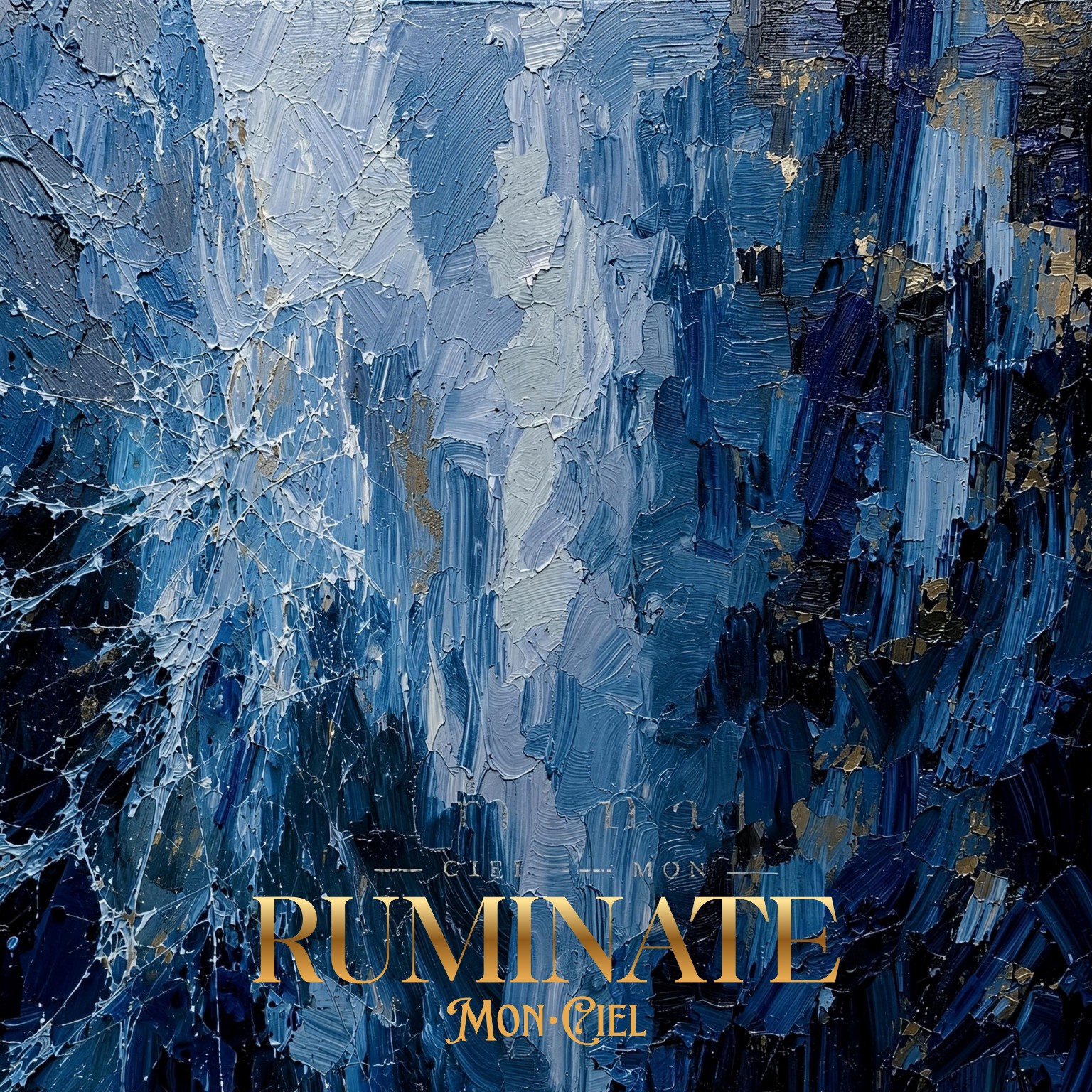
Think it · First album

See it · Second album
Break it
Know it
Lyrics beneath the blueprint
Selected doors into the Architecture—context without giving every secret away.
Motion can look like healing from the outside. Inside the Architecture, this is the moment survival begins asking whether movement alone is enough.
The bridge between the music and Avelune: fragments become stars, memory becomes geography, and what was once internal finally has a world to inhabit.
The first pressure point—calm on the surface, chaos carefully hidden beneath it. In Unwritten, it belongs to the earliest rooms of Ciel’s story.
I used to look for open arms
In places that felt cold
Trying to make a home
In hands that wouldn’t hold
I carried storms inside my chest
And smiled so they’d believe
That I was stronger than the truth
I didn’t let them see
But tonight the silence said my name
Like a child lost in the rain
Maybe I don’t need someone to save me
Maybe I just needed time to see
All the love I kept chasing
Was waiting inside of me
If the world turns quiet and empty
If the night feels too heavy to breathe
I’ll grow into the arms
My younger heart can run to me
Run to me
Run to me
When the world won’t let you be
Run to me
Run to me
I’ll be who you need to see
Run to me
Run to me
When your heart can’t find the key
Run to me
Run to me
You can always run to me
I searched the eyes of strangers
For proof that I belonged
But every quiet answer
Was hidden all along
Every tear I buried
Every word I kept
Was a map leading me home
Through the promises I never met
The echo of who I was
Still reaching through the dark
Maybe I don’t need someone to save me
Maybe I just needed time to see
All the love I kept chasing
Was waiting inside of me
If the world turns quiet and empty
If the night feels too heavy to breathe
I’ll grow into the arms
My younger heart can run to me
Run to me
Run to me
When the world won’t let you be
Run to me
Run to me
I’ll be who you need to see
Run to me
Run to me
When the night won’t set you free
Run to me
Run to me
You can always run to me
Maybe I was never meant
To be rescued by someone else
Maybe every broken road
Was leading me to myself
Come home, come home
Maybe I don’t need someone to save me
Maybe I just needed time to see
All the love I kept chasing
Was waiting inside of me
If the world turns quiet and empty
If the night feels too heavy to breathe
I’ll grow into the arms
My younger heart can run to me
Run to me
Run to me
You can always run to me
“I didn’t choose to be strong.
I just carried the weight so
well
no one helped me set it down.”
Behind MonCiel
MonCiel is an independent songwriter from Guam who built a world for everything that could no longer stay inside. Ciel holds the tenderness. Mon says what tenderness was afraid to. Together, they turn grief, pressure, love, memory, and becoming into songs that leave the door open for anyone who has ever made themselves small.
This work is not a performance of having survived. It is an honest record of learning how to live after carrying too much for too long—and an invitation for the listener to find themselves inside it.
— MonCiel —
Stay inside the story
Follow the official channels for release notes, WEBTOON chapter announcements, and the next movement in the Architecture.
Press · Playlists · Collaboration
Official biography, brand artwork, project information, and the direct route for professional enquiries.